Selling
Navigating Appraisal Gaps on Volusia Beachside Home Sales
6 min read · Chris Sanford
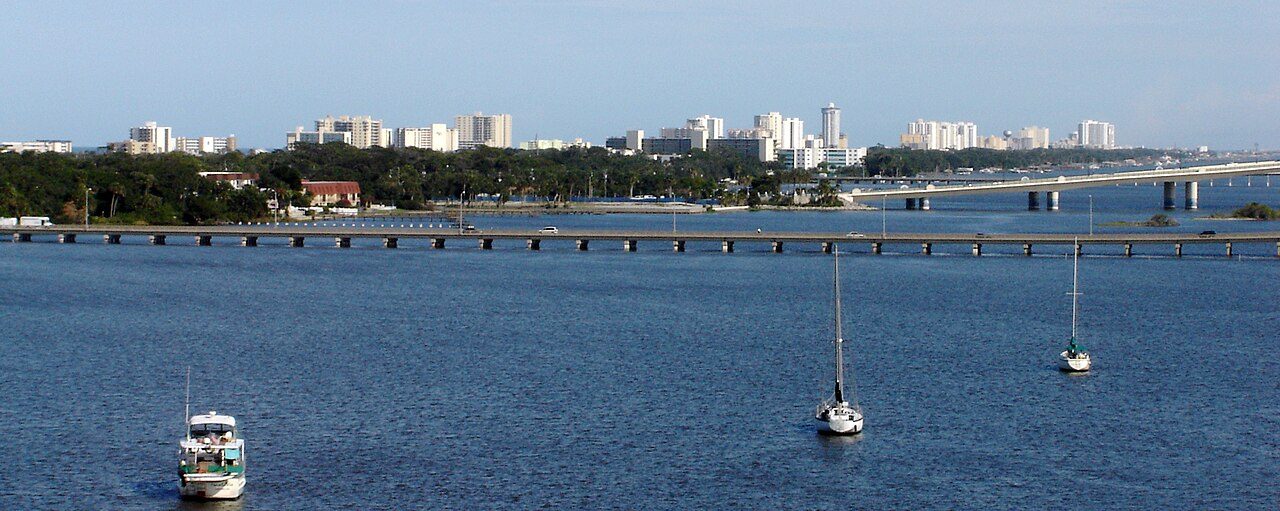
Selling a barrier island property along the Volusia County coastline—whether a oceanfront residence in Ponce Inlet, a river-to-ocean retreat in Wilbur-by-the-Sea, or a charming beach bungalow in New Smyrna Beach—requires navigating unique pricing dynamics. When buyers fall in love with panoramic Atlantic views, deepwater dockage along the Intracoastal Waterway, or luxury interior finishes, they are often willing to pay a premium price. However, when financing is involved, the buyer's lender relies on a licensed appraiser to confirm the property's market value. In a market where coastal features vary wildly from block to block, appraisal gaps frequently threaten to disrupt pending sales.
An appraisal gap occurs when a professional appraiser values a property lower than the agreed-upon contract price. Because mortgage lenders will only issue loans based on the lower of the purchase price or the appraised value, a shortfall creates an immediate financial hurdle. If the property appraises for $1,100,000 on a $1,200,000 contract, someone must cover or resolve that $100,000 difference. Understanding how appraisal gaps manifest on the Volusia beachside—and implementing proactive contract strategies—ensures sellers can protect their bottom line.
Why Coastal Volusia Properties Present Unique Appraisal Challenges
Appraisers rely heavily on recent closed sales, typically looking for similar properties sold within a one-mile radius over the past three to six months. On the Volusia barrier island, applying standard inland appraisal metrics often falls short due to several hyper-local factors:
- Micro-Location Variance: A home situated directly on Atlantic Avenue in Daytona Beach Shores commands a vastly different valuation structure than a home located three streets west along the Halifax River. Standard appraisal algorithms may fail to weigh view corridors, ocean access, or quiet cul-de-sac positioning in historical enclaves like Ponce Inlet.
- Unmatched Custom Upgrades: Many luxury homes in Wilbur-by-the-Sea and Ormond-by-the-Sea feature custom architectural engineering, marine-grade building materials, seawall reinforcements, high-impact glass, and custom pool decks. Appraisers unfamiliar with coastal construction costs may under-value these critical protection assets.
- Lagging Comparative Sales Data: In shifting markets, closed sales reflect prices agreed upon two to four months prior. If demand spikes quickly in niche pockets like Smyrna Beach's historic district, appraiser comps lag behind current real-time market value.
Strategy 1: Require Explicit Appraisal Gap Coverage in the Contract
One of the most effective ways to safeguard a high offer is to negotiate explicit appraisal gap language into the Florida Realtors/Florida Bar (FAR/BAR) purchase agreement before signing.
Rather than accepting a standard appraisal contingency—which gives the buyer an easy exit if the value comes in low—sellers can require an appraisal gap clause. This provision legally commits the buyer to bringing a specified amount of cash to closing to cover any valuation shortfall.
For example, a buyer submitting an offer on a $950,000 Ponce Inlet home might include a clause stating: "Buyer agrees to pay up to $30,000 above the appraised value in cash, not to exceed the purchase price of $950,000." This establishes a clear financial buffer, protecting the seller from renegotiating the price downward at the eleventh hour.
Strategy 2: Prepare a Comprehensive Appraiser Evidence Package
Do not leave the appraiser's evaluation to chance or guesswork. Before the appraiser visits the property, your listing agent should assemble a detailed, professional appraisal package to present during the site visit.
A robust appraiser package for a Volusia beachside property should include:
- Itemized Capital Improvements: A detailed line-item breakdown of capital investments made within the last 5 years, including metal roof installations, HVAC replacements, seawall upgrades, dock/boatlift additions, and kitchen/bath renovations.
- Adjusted Local Comps: A selected list of relevant local sales, complete with notes explaining why specific properties are comparable (e.g., matching elevation certificates, similar proximity to beach ramps, or shared river access).
- Pending Sales & Multiple Offer Data: Documentation showing if the property received multiple competitive offers, proving strong active market demand at or near the contract price.
- Permit Documentation: Proof of finalized permits for major structural, electrical, or coastal defense projects, verifying that work meets Volusia County and municipal building codes.
Strategy 3: Vet Buyer Financing and Favor Local Coastal Lenders
Not all pre-approval letters carry equal weight. When evaluating offers, sellers should scrutinize the buyer's mortgage lender. National online mortgage platforms and out-of-area lenders often assign appraisal orders through automated clearinghouses. This frequently results in out-of-county appraisers who lack familiarity with Volusia beachside real estate metrics being assigned to the property.
An appraiser who primarily evaluates inland tract housing in West Volusia or Orlando may not understand why a home on the east side of A1A carries a significant premium over a home situated west of the highway. Prioritizing buyers working with reputable Volusia County lenders—or regional institutions accustomed to coastal underwriting—significantly reduces the risk of an uneducated appraisal valuation.
Strategy 4: Leverage the Reconsideration of Value (ROA) Process
If an appraisal comes back below the contract price despite early precautions, sellers do not have to accept the result passively. Real estate agents can submit a formal Request for Reconsideration of Value (ROA) through the buyer’s lender.
To execute a successful ROA, your agent must identify objective errors or omissions in the appraiser's report. Effective grounds for an ROA challenge include:
- The appraiser utilized comps across major physical barriers (such as using mainland Port Orange sales for a Ponce Inlet beachside property).
- Failure to account for major structural upgrades, such as storm-impact windows or elevated garage construction.
- Inaccurate square footage measurements or incorrect bedroom/bathroom counts.
- Overlooking superior view factors, deepwater dock depth, or oceanfront access points.
While ROAs require meticulous documentation and quick action, presenting undeniable comparative data can prompt the appraiser or lender to revise the final valuation upward.
Key Actionable Takeaways for Sellers
- Incorporate Gap Clauses: Structure offer acceptance contingent on buyers guaranteeing specific cash contributions if the property appraises low.
- Build an Appraiser Packet: Compile receipts, permit history, marine engineering reports, and targeted neighborhood comps prior to the appraisal inspection.
- Insist on Coastal-Savvy Lenders: Encourage buyers to utilize local financial institutions familiar with barrier island valuation nuances.
- Challenge Inaccurate Appraisals: Utilize the formal Reconsideration of Value process to correct comp selection mistakes or missed property features.
- Analyze Micro-Markets: Work with a local specialist who understands street-by-street pricing differentials across Ponce Inlet, Daytona Beach Shores, and New Smyrna Beach.
Protecting your equity requires proactive strategy from the moment your home hits the market through the closing table. If you are preparing to sell a property along the Volusia coastline, contact Chris Sanford at Live Ponce Inlet today to request a comprehensive home valuation and learn how our strategic marketing plans protect your target sale price.
Want this on your street?
See active Ponce Inlet listings or get a real human valuation of your home.