Selling
Best Time to List Your Ponce Inlet or Volusia Coastal Home
5 min read · Chris Sanford
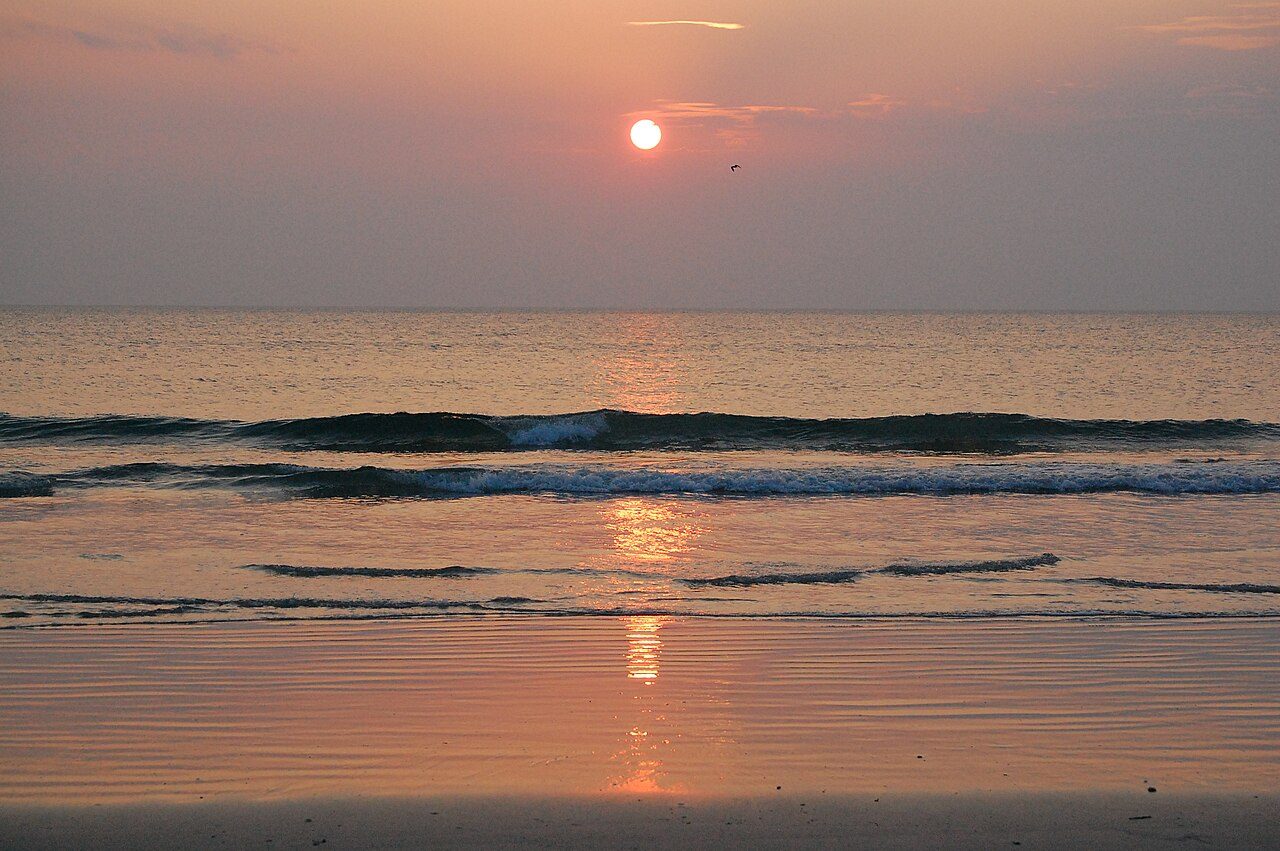
Timing the market along the Volusia County coastline requires a different playbook than inland Florida real estate. Whether you own a oceanfront condominium in Daytona Beach Shores, a deep-water riverfront estate in Ponce Inlet, or a beach bungalow in Wilbur-by-the-Sea, local demand flows in distinct seasonal waves. Between northern snowbirds searching for winter escapes, families aligning with school schedules, and the realities of Atlantic hurricane season, pinpointing your listing date can directly impact your net proceed and time on market.
To capture peak buyer attention and maximize your equity, you need a clear understanding of how weather, demographic trends, and seasonal inventory interact along our unique barrier island micro-markets.
Understanding the Volusia Coast Real Estate Calendar
Coastal Volusia County operates on three primary real estate cycles throughout the year. Each season attracts a distinct buyer demographic and carries unique preparation requirements:
- The Winter/Spring Peak (January through April): Out-of-state buyers flood the coast escaping cold northern climates. Inventory demand spikes, particularly for low-maintenance condos and turnkey single-family coastal homes.
- The Summer Family Shift (May through July): Local and regional buyers move into action. In mainland communities like Port Orange or coastal family pockets in Ormond Beach, school schedules dictate closing dates.
- The Late Summer/Fall lull and Prep Phase (August through November): Hurricane season peaks, humidity rises, and buyer foot traffic slows. Wise sellers use this window to execute high-ROI upgrades and prepare for the winter surge.
The Snowbird Rush: Why January Through April Dominates
For communities dominated by second homes and active retirees—such as Ponce Inlet, New Smyrna Beach's beachside, and Wilbur-by-the-Sea—the first quarter of the year is historically the most lucrative window to list.
Between January and April, out-of-state visitors arrive in high numbers. These buyers are often motivated, well-capitalized, and looking to secure a primary retirement home or seasonal retreat before heading back north in the spring. Many of these transactions involve cash or substantial down payments, streamlining the contract-to-closing process.
When listing during this window, presentation is everything. Northern buyers are paying a premium for the coastal Florida lifestyle. Ensuring your outdoor spaces, lanai, and water views are highlighted in photo and video marketing is vital during these winter months.
Navigating Atlantic Hurricane Season (June Through November)
While real estate transactions occur year-round along the coast, the Atlantic hurricane season (officially June 1 through November 30) introduces specific operational nuances every seller must navigate.
The peak of storm activity historically lands between mid-August and late October. During periods when active tropical systems are named or approaching the Florida peninsula, insurance underwriters temporarily pause issuing new homeowner binding policies. A temporary insurance box can delay closings by several days or weeks until a storm passes.
Additionally, serious coastal buyers will scrutinize property resilience during these months. To maintain strong negotiating leverage during storm season, sellers should have key documentation readily available:
- An updated Wind Mitigation Inspection report
- 4-Point Inspection details (for homes older than 20 years)
- Roof age documentation and permit history
- Elevation certificates and flood insurance policy transfer details
- Proof of impact-rated glass or operational hurricane shutters
Micro-Market Differences Across Coastal Volusia
While seasonal trends offer a broad framework, neighborhood dynamics dictate individual strategy. A strategy that works for a high-rise luxury condo in Daytona Beach Shores may not apply directly to a single-family home near top-rated schools in Port Orange.
Ponce Inlet & Daytona Beach Shores
These areas skew heavily toward second-home purchasers, luxury buyers, and downsizers. Listing in late Q4 (late November to early December) ensures your property hits the MLS just as winter residents begin arriving, placing your listing at the top of search results during peak foot traffic.
Port Orange & Ormond Beach Mainland
Family-centric neighborhoods tend to experience a second demand peak in late spring. Buyers want to go under contract in April or May to close comfortably before the new school year begins in August.
New Smyrna Beach & Wilbur-by-the-Sea
These markets see strong drive-in traffic from Orlando and Central Florida investors seeking short-term rental opportunities or weekend beach houses. Early spring through early summer offers excellent exposure for lifestyle-oriented properties.
5 Actionable Takeaways for Coastal Sellers
1. Target the Q1 Launch Window for Peak Valuation: If your goal is maximizing sale price with out-of-state cash buyers, prepare your home in November and December to go live on the market in early January. 2. Complete Inspections Before Going Live: Secure a pre-listing wind mitigation and 4-point inspection. Addressing minor repair items ahead of time keeps buyers focused on your home's value rather than insurance obstacles. 3. Document Insurance Premiums: In Florida's evolving property insurance market, providing potential buyers with transparent, transferrable insurance policies or low windstorm quotes removes a major friction point in negotiations. 4. Stage for Outdoor Living: Highlight covered lanais, summer kitchens, outdoor showers, and pool decks. Winter buyers are looking to escape snow, so accentuate the year-round outdoor lifestyle. 5. Benchmark Local Coastal Inventory: Keep a close eye on competing active listings in your specific condo building or subdivision. Listing when immediate neighborhood inventory is low often yields higher interest regardless of the month.
Plan Your Sale with Ponce Inlet’s Coastal Specialist
Timing the sale of your coastal property isn't just about picking a month on the calendar—it's about aligning market conditions with your personal goals and property type. Whether you are ready to capitalize on the upcoming snowbird season or want to explore your property's current equity market value, working with a localized expert ensures you don't leave money on the table.
Ready to take the next step? Browse current Volusia coastal listings to see how your home compares, or contact Chris Sanford today for a custom, no-obligation home valuation and seasonal listing strategy tailored to your property.
Want this on your street?
See active Ponce Inlet listings or get a real human valuation of your home.