Buying
Buying a Boat-Friendly Home on the Halifax River | Volusia Guide
5 min read · Chris Sanford
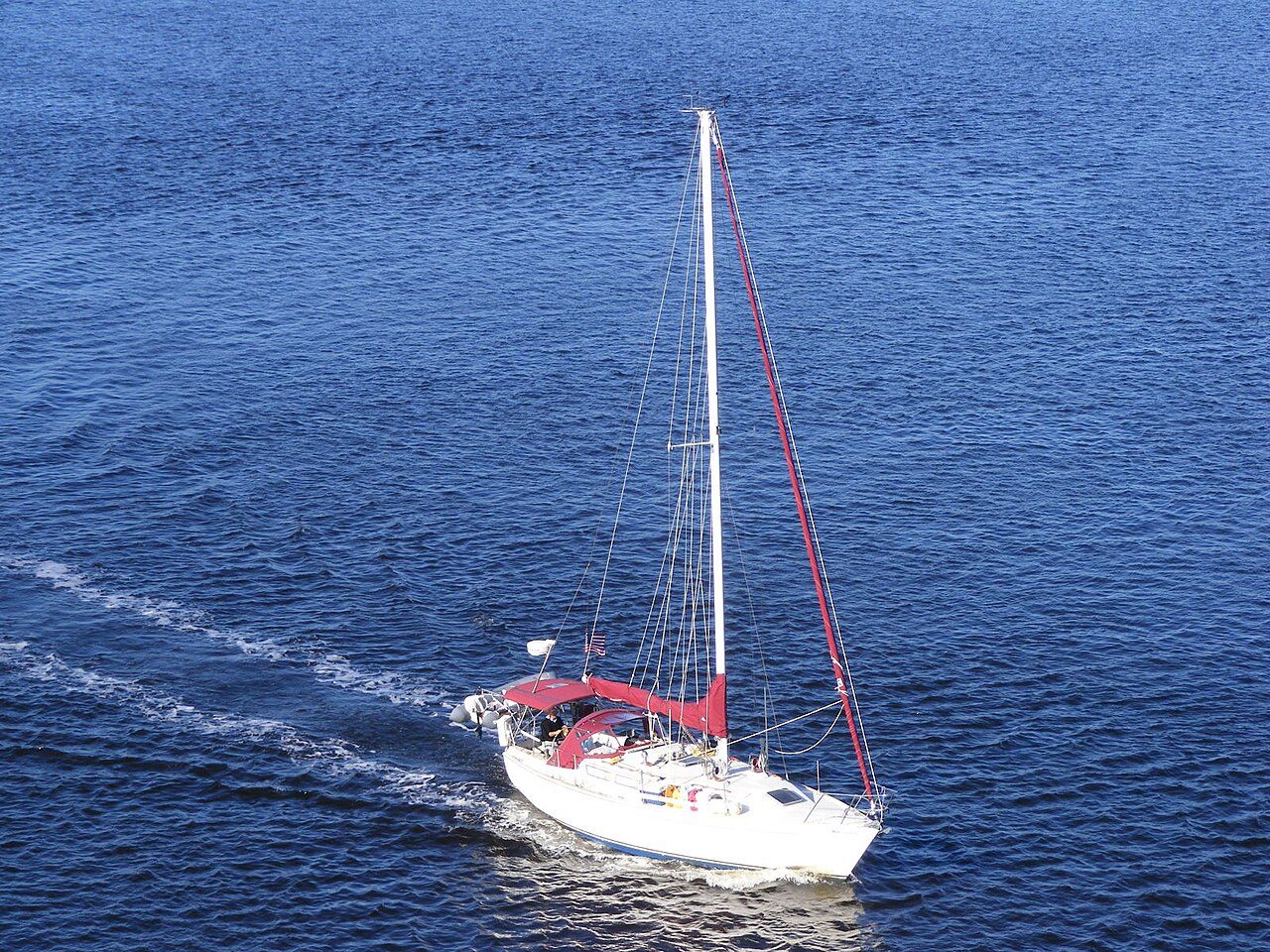
Imagine stepping off your back patio, strolling down your private dock, and casting off for a sunset cruise or a deep-sea fishing run through Ponce de Leon Inlet. For boaters, living along the Halifax River—the stretch of the Intracoastal Waterway weaving past Ormond Beach, Daytona Beach, Port Orange, Wilbur-by-the-Sea, and Ponce Inlet—is the ultimate Florida lifestyle. However, not all waterfront properties are created equal. A home might feature a gorgeous view, but if the water depth at low tide won't clear your draft or a fixed bridge blocks your sailboat mast, your dream home can quickly turn into a headache.
Buying a boat-friendly property in Volusia County requires evaluating specific nautical factors that standard real estate listings often overlook. Here is what every boater needs to know before submitting an offer on a Halifax River property.
Understanding Water Depth and Draft Requirements
When evaluating a riverfront or deep-water canal home, the single most critical measurement is water depth at Mean Low Water (MLW). The Halifax River features a well-maintained federal channel, but depth varies dramatically as you move toward the shorelines, canals, and spoil islands.
- Center Consoles & Bay Boats: Generally require 2 to 3 feet of draft. Properties along deep canals in Port Orange or northern Ponce Inlet usually accommodate these vessels comfortably.
- Express Cruisers & Motor Yachts: Often draft between 4 and 6 feet. These vessels require homes directly on the main river channel or deep-water basins with direct cut-throughs to the Intracoastal.
- Sailboats: Deep-draft keelboats (5+ feet) demand precise depth verification. Pay close attention to siltation in canal entrances, particularly in areas near Ponce Inlet where tidal flow shifts sand bars continuously.
Never rely solely on visual inspection at high tide. Schedule property visits during low tide, consult navigational charts, or hire a local marine surveyor to measure the slip depth if you own a larger vessel.
Navigating Fixed Bridges and Air Draft Clearances
Air draft—the vertical distance from the waterline to the highest point of your vessel—determines where you can navigate along the Intracoastal. While powerboats with low profiles easily clear local bridges, tall center consoles with outriggers, radar arches, and sailboats face hard limits.
Key fixed bridge clearances along the Volusia coastal corridor include:
- Granada Bridge (Ormond Beach): 65 feet vertical clearance.
- Seabreeze & Main Street Bridges (Daytona Beach): High-span bridges offering 65 feet vertical clearance.
- Dunlawton Bridge (Port Orange): 65 feet vertical clearance, providing swift access to Ponce Inlet for high-clearance vessels coming from local canals.
- SR 44 Bridge (New Smyrna Beach): 65 feet vertical clearance.
While major coastal spans in Volusia County adhere to the standard 65-foot Intracoastal clearance, neighborhood canals may feature smaller local access bridges or utility crossovers with significantly lower clearances. Always map your exact route from dock to inlet before making an offer.
Evaluating Docks, Boat Lifts, and Marine Structures
Existing dock infrastructure adds immense value to a waterfront home, but replacing or upgrading aging marine structures can cost tens of thousands of dollars. Inspect the structural integrity of pilings, decking, and electrical systems.
- Piles and Decking: Look for signs of marine borers, wood rot, or concrete spalling on pilings. Composite decking holds up better against Florida sunshine and salt air than traditional pine.
- Boat Lift Capacity: Ensure the existing lift matches your boat's gross weight, gear, and fuel loads. A standard 10,000-lb lift suits medium center consoles, while larger cruisers require 20,000-lb to 30,000-lb heavy-duty hydraulic or gear-driven lifts.
- Shore Power and Water Supplies: Verify that the dock has dedicated electrical service (30-amp or 50-amp shore power) and fresh municipal water lines for easy washdowns after a day on the salt water.
Navigating Permitting and Environmental Regulations
If a property lacks a dock or you plan to extend an existing structure, do not assume you will receive immediate approval. Waterfront construction along the Halifax River falls under strict local, state, and federal oversight.
1. Riparian Rights & Setbacks: Dock structures must remain within designated riparian property lines extended into the water and maintain required side-yard setbacks from neighbors. 2. Regulatory Bodies: Dock construction and dredging require permits from Volusia County Environmental Management, the Florida Department of Environmental Protection (FDEP), and often the U.S. Army Corps of Engineers. 3. Manatee & Seagrass Protections: Certain zones along the Intracoastal restrict dock lengths or cradle types to protect marine vegetation and manatee habitats.
Partnering with a local agent who understands waterfront zoning ensures you don't purchase a home with grand dock expansion plans that local regulations prohibit.
Actionable Takeaways for Boating Homebuyers
- Measure Your Vessel's Real Footprint: Know your boat's draft, dry weight, total weight with fuel and gear, and total air draft including antenna structures.
- Inspect the Property at Low Tide: Visit the dock during a spring low tide to observe actual water levels and exposed sandbars.
- Check Current and Wake Conditions: Properties located in high-traffic, open-water sections of the river experience significant wave action. Look for piling protection or no-wake zone designations.
- Verify Existing Permits: Request historical permits for existing docks and lifts to ensure all structures were legally built and expanded.
- Plan Your Inlet Access: Factor in the distance and time required to transit from your prospective dock through Ponce de Leon Inlet to the open ocean.
Find Your Ideal Boating Home in Volusia County
Finding the right boat-friendly home requires blending real estate expertise with local navigational knowledge. Whether you are searching for a deep-water canal home in Port Orange, a riverfront estate in Ponce Inlet, or a luxury residence in New Smyrna Beach, working with a local waterfront specialist makes all the difference.
Ready to explore current waterfront inventory or learn what your current waterfront home is worth in today's market? Browse active Volusia County waterfront listings today or contact Chris Sanford for expert guidance and a complimentary home valuation.
Want this on your street?
See active Ponce Inlet listings or get a real human valuation of your home.