Buying
New Construction vs 1980s Coastal Homes in Volusia: Buyer Guide
5 min read · Chris Sanford
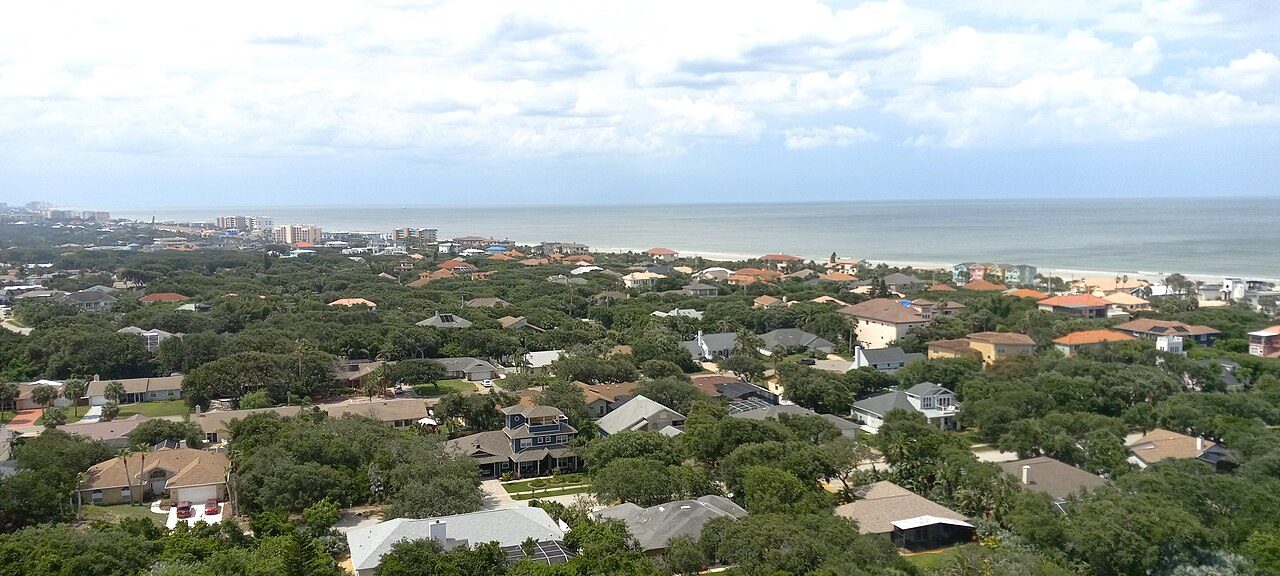
When searching for coastal real estate along the Volusia County coastline—whether in Ponce Inlet, Daytona Beach Shores, Wilbur-by-the-Sea, or New Smyrna Beach—buyers inevitably confront a key fork in the road. Should you invest in a brand-new construction home engineered to the latest structural standards, or opt for a vintage 1980s coastal home featuring an expansive lot, established neighborhood charm, and prime water access?
Both property styles present compelling lifestyle opportunities, but under the hood, they operate in completely different financial and structural realities. From evolving Florida building codes and insurance rates to hidden system upgrades, understanding how new builds stack up against 1980s coastal homes will ensure your investment remains secure for years to come.
The Building Code Gap: Pre-2002 vs. Modern Standards
The most significant distinction between a 1980s home and a modern build in Volusia County comes down to the evolution of the Florida Building Code (FBC).
Prior to the major code overhauls that began following Hurricane Andrew and crystallized in 2002, coastal homes were built under localized, less stringent regulations. A typical 1980s home in Ponce Inlet or Port Orange was often constructed with solid concrete block (CBS) on the ground floor or traditional wood framing above. However, the structural tie-downs, roof deck attachment methods, and window ratings were far weaker than today's standards. Roof decking in the 1980s was typically secured with standard 6d nails spaced up to 12 inches apart, and impact-resistant glass was rarely installed.
In contrast, new construction in Volusia County adheres to stringent high-velocity hurricane zone guidelines. Modern builds require continuous load paths (mechanically tying the roof structure down to the foundation with steel straps), ring-shank 8d nails spaced at 6 inches on center, secondary water barriers under the roofing material, and engineered impact glass or code-compliant shutter systems. These structural enhancements dramatically improve a home's resilience against tropical storms and salt-air weathering.
Insurance Reality: The Financial Impact of Roofs and Opening Protection
For buyers looking along coastal Volusia, homeowners insurance is often the deciding factor in total monthly carrying costs. The difference in insurance premiums between an updated 1980s home and new construction can amount to thousands of dollars per year.
Insurance carriers heavily reward features verified on a Wind Mitigation Inspection report. A new build automatically earns maximum credits across key categories:
- Roof Geometry: Hip roofs (sloped on all sides) receive greater discounts than gable roofs.
- Roof-to-Wall Attachment: Double wraps or engineered hurricane clips provide maximum discount potential.
- Secondary Water Resistance (SWR): Standard on modern roofs to prevent water intrusion if shingles are lost.
- Opening Protection: Modern impact-rated windows and garage doors yield substantial premium savings.
A 1980s home can achieve competitive insurance rates, but only if the seller or buyer invests in major capital improvements. If an 80s property still features an older roof, non-impact windows, or basic toe-nail truss attachments, property owners often face high insurance premiums or must seek coverage through non-admitted surplus lines or Citizens Property Insurance.
Inspecting a 1980s Coastal Build: Key Red Flags
1980s homes in places like Wilbur-by-the-Sea and Ponce Inlet frequently feature unmatched locations—larger parcels, mature coastal vegetation, and proximity to the Atlantic Ocean or Halifax River. However, your home inspector must pay strict attention to several vintage-specific components:
- Polybutylene Plumbing: Popular throughout Volusia County subdivisions built between 1978 and 1995, these grey plastic supply lines are prone to sudden bursting and often require a full home re-pipe to secure insurance.
- Outdated Electrical Panels: Homes built in this era frequently contain electrical panels manufactured by Federal Pacific Electric (Stab-Lok) or Zinsco, both of which are widely considered safety hazards by insurance companies and require immediate replacement.
- Concrete Spalling: Salt air penetrates porous concrete over time, causing internal steel reinforcement bars (rebar) to rust, expand, and crack the exterior concrete structure. Look closely at oceanfront balconies, foundations, and seawalls.
- HVAC Corrosion: Air handlers and exterior condensing units near saltwater environments have a shorter lifespan. A 1980s home may have an HVAC system nearing the end of its functional life if it lacks marine-grade coatings.
Inspecting New Construction: What Buyers Overlook
While a new construction home offers peace of mind, turn-key aesthetics, and lower utility bills, buyers should never skip a thorough, multi-phase inspection. Rapid construction schedules can occasionally lead to cosmetic and structural oversights:
- Stucco Thickness & Expansion Joints: Inadequate stucco thickness over concrete block can allow moisture penetration, while improperly placed expansion joints can cause premature cracking under coastal heat.
- Grading and Drainage: New subdivisions in areas like Port Orange or outer New Smyrna Beach often feature reshaped topography. Verify that final lot grading directs heavy rainfall away from the foundation and into designated swales.
- Window and Door Seals: Even high-end impact windows can leak if the surrounding flashing or exterior sealant is applied incorrectly during construction.
Actionable Takeaways for Volusia Homebuyers
- Calculate Total Cost of Ownership: Look beyond the purchase price. Factor in property taxes, insurance quotes, and upcoming capital expenses (such as roof or HVAC replacements) to understand your true monthly out-of-pocket investment.
- Order a 4-Point & Wind Mitigation Inspection: If considering a property built before 2002, request these two reports during your inspection period to get precise insurance quotes prior to loan contingency deadlines.
- Budget for Structural Upgrades on 80s Homes: If you fall in love with an older property's character and prime lot, leverage the inspection report to negotiate seller concessions or price adjustments for necessary electrical and plumbing updates.
- Hire an Independent Inspector for New Builds: Do not rely solely on municipal building inspectors or builder warranties. Secure a third-party home inspector to conduct pre-drywall and final walk-through inspections.
- Evaluate Flood Zones and Elevation: Regardless of construction age, verify the property's Base Flood Elevation (BFE) and flood zone designation, especially in low-lying coastal barrier island areas.
Find Your Ideal Coastal Home with Local Guidance
Choosing between a modern turn-key residence and a classic 1980s coastal home comes down to balancing your lifestyle priorities, maintenance preferences, and long-term financial goals. Whether you are searching for an oceanfront high-rise in Daytona Beach Shores, a secluded sanctuary in Ponce Inlet, or a deep-water canal home in New Smyrna Beach, having an experienced local resource on your side makes all the difference.
Ready to explore available coastal properties or determine what your current Volusia County property is worth in today's market? Contact Chris Sanford at Live Ponce Inlet today to browse current listings or request a comprehensive, free home valuation.
Want this on your street?
See active Ponce Inlet listings or get a real human valuation of your home.