Buying
Ponce Inlet Flood Zones: 2026 Buyer Guide to Elevation & Risk
5 min read · Chris Sanford
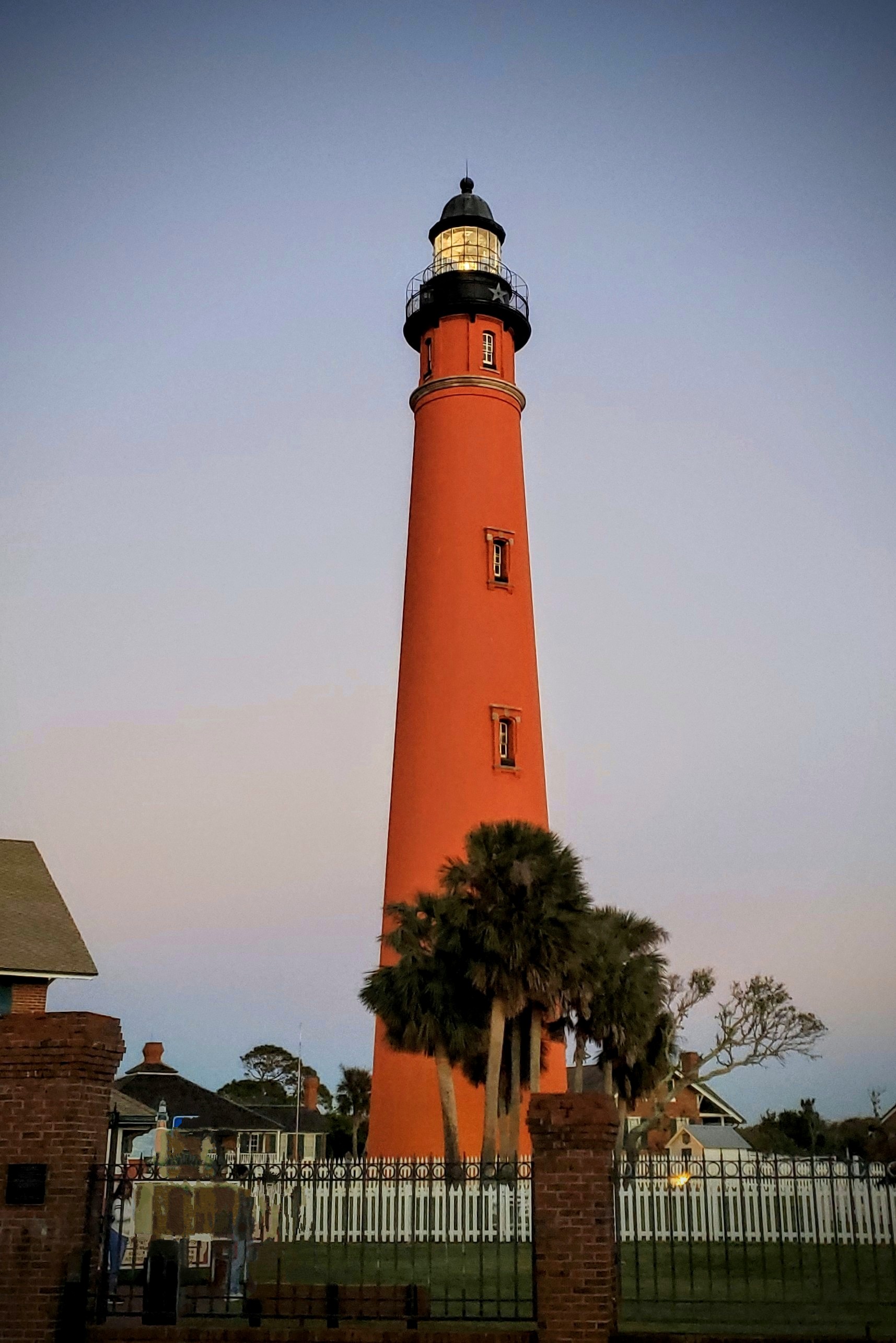
When touring homes or condominiums in Ponce Inlet, it is easy to get swept away by panoramic ocean sunrises, quiet salt air, and pristine maritime hammocks. However, buying on a barrier island requires looking beneath the aesthetics and directly at the topography. In ZIP code 32127, your flood zone designation and your home's finished floor elevation dictate far more than just your annual insurance premiums—they define long-term property resiliency and resale value.
Navigating coastal flood maps does not mean avoiding waterfront real estate; it means purchasing with eyes wide open. Here is what buyers need to know about FEMA flood zones, Base Flood Elevations (BFEs), and local topography across Ponce Inlet as we head into late 2026.
Decoding the 32127 Flood Map: Zone X, AE, and VE
Ponce Inlet sits between the Atlantic Ocean and the Halifax River, tapering down to its southern tip at Lighthouse Point Park. Because of this unique geography, flood risk varies dramatically block by block, and sometimes even lot by lot.
FEMA flood insurance rate maps (FIRMs) categorize Ponce Inlet properties primarily into three distinct designations:
- Zone X (Minimal to Moderate Risk): Often found along the higher natural dune ridges and elevated central corridors of the peninsula. Properties in Zone X sit outside the 100-year floodplain. While lenders do not mandate federal flood insurance here, many savvy homeowners still carry a preferred-risk policy due to barrier island weather extremes.
- Zone AE (Special Flood Hazard Area - Stillwater Risk): Common along the low-lying riverfront borders near the Halifax River and inland drainage channels. Zone AE indicates a 1% annual chance of shallow or rising water flooding. If you secure a federally backed mortgage on an AE property, flood insurance is mandatory.
- Zone VE (Coastal High Hazard Area - Wave Velocity): Primarily fronting the Atlantic shoreline and the direct inlet mouth near the jetty. Zone VE carries the highest risk classification because it accounts for not just rising water, but the destructive kinetic force of breaking waves. Structural building standards and insurance calculations in Zone VE are the most stringent on the island.
The Elevation Certificate: Your Most Critical Document
Many out-of-area buyers assume that every home along Peninsula Drive or South Atlantic Avenue faces identical flood risk. That assumption can prove costly. In Ponce Inlet, two neighboring homes can have vastly different risk profiles based solely on finished floor elevation.
When conducting due diligence on a single-family home or ground-floor villa in 32127, the FEMA Elevation Certificate is non-negotiable. This document, completed by a licensed land surveyor, establishes the exact height of the lowest living area relative to the local Base Flood Elevation (BFE).
Under current Volusia County and municipal building codes, newer construction must meet specific freeboard requirements—often building one to two feet above BFE. A home built in the 1970s sitting at grade in an AE zone will command dramatically different insurance premiums and risk exposure than an elevated home built to modern coastal specifications on pilings or stem walls.
Natural Defenses: Dune Systems vs. River Intrusion
Understanding how water behaves in Ponce Inlet helps you evaluate properties during an open house or private showing.
The Oceanfront Dune Advantage
Unlike heavily developed commercial strips to the north, Ponce Inlet has fiercely protected its coastal dune system for decades. From the residential stretches along South Atlantic Avenue down to the boardwalks of Lighthouse Point Park, these high, vegetated primary dunes act as a massive structural buffer against Atlantic storm surge. Oceanfront homes tucked behind robust, continuous dunes often experience far less water intrusion than buyers might expect.
The Riverfront Challenge
Conversely, the Halifax River side presents a different dynamic. The Intracoastal Waterway reacts to prolonged nor'easters, seasonal king tides, and inlet tidal surges. In late fall, sustained winds can trap water inside the estuary, pushing water levels up seawalls and into low-lying canal basins along Peninsula Drive. When shopping riverfront or canal-front homes, inspect seawall height, weep-hole functionality, and yard grading just as closely as you inspect interior finishes.
Key Flood Due-Diligence Steps for Ponce Inlet Buyers
To protect your capital and eliminate post-closing surprises, follow this four-point framework before signing or waiving contingencies:
1. Request an Existing Elevation Certificate Immediately: Sellers of single-family homes often have one on file from their initial purchase or recent survey. If none exists, make procuring one an inspection contingency. 2. Pull Real Quotes via Risk Rating 2.0: Flood insurance pricing under FEMA's modern rating system is property-specific. Premiums are no longer solely tied to broad zone lines; they factor in foundation type, distance to coast, structural replacement costs, and elevation. Ask a local insurance broker for an exact property quote rather than using generic estimates. 3. Review Substantially Improved Rules: If you plan to renovate an older home in an AE zone, research Ponce Inlet's 50% rule. If renovation costs exceed 50% of the structure's market value, municipal code may require bringing the entire home up to current coastal elevation codes. 4. Check Condo Master Policies: If purchasing an oceanfront condo near the lighthouse, flood insurance is managed through the association's commercial master policy under the National Flood Insurance Program (NFIP) or private surplus lines. Verify how the association funds its deductibles and whether individual unit owners must maintain separate HO-6 flood coverage for contents and interior finishes.
Finding Peace of Mind on the Inlet
Ponce Inlet remains one of the most serene, low-density coastal communities in Central Florida. Living surrounded by water is the very reason people choose 32127—and with proper elevation verification, it remains an extraordinary place to invest.
Ready to find your ideal coastal retreat or need help evaluating the elevation profile of a specific property in 32127? Contact Chris today for local, on-the-ground buyer representation, or reach out to get a professional evaluation of your current home's standing in today's market.
Want this on your street?
See active Ponce Inlet listings or get a real human valuation of your home.