Buying
Ponce Inlet Insurance Guide: Wind Mitigation & Premiums in 2026
5 min read · Chris Sanford
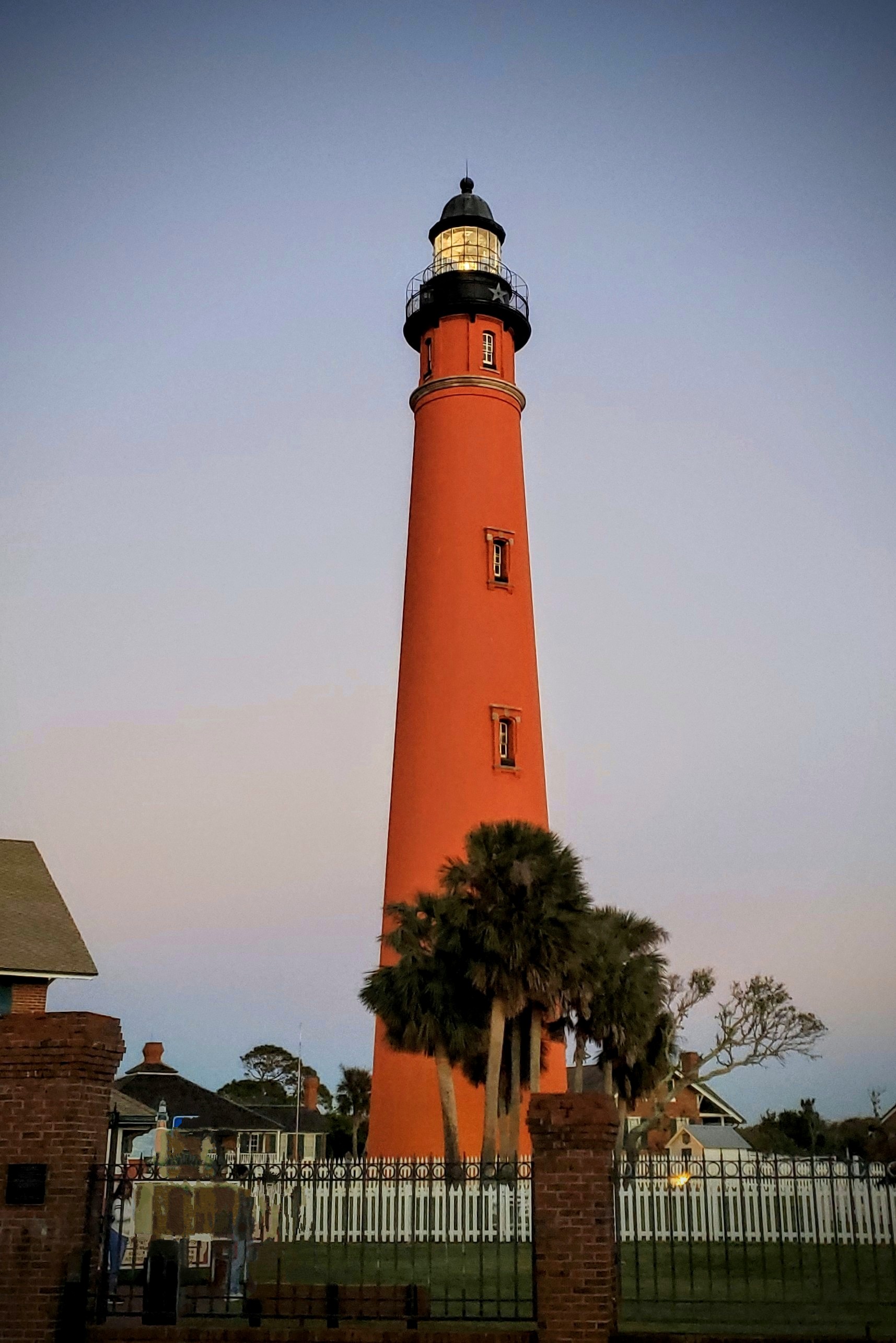
When touring coastal properties along South Atlantic Avenue or tucked beside the maritime hammocks off Peninsula Drive, it is easy to focus entirely on the ocean views, boat slips, and proximity to Lighthouse Point Park. However, savvy buyers targeting Ponce Inlet in late 2026 know that securing a property is only half the equation—underwriting it sustainably is the other.
In Florida’s barrier-island communities, hazard and windstorm insurance premiums represent a significant portion of your monthly carrying costs. In ZIP code 32127, two homes with identical square footage and purchase prices can easily see insurance quotes that differ by $4,000 to $7,000 annually. The variance almost always comes down to construction details, roof geometry, and documentation.
Before you remove loan or inspection contingencies on a Ponce Inlet home, here is the practical insurance playbook every buyer needs right now.
1. The Wind Mitigation Inspection is Your Greatest Asset
A standard home inspection identifies mechanical defects and deferred maintenance, but the Uniform Mitigation Verification Inspection (Wind Mitigation) directly controls what you pay for homeowners insurance.
Carriers operating in Volusia County evaluate windstorm risk using specific engineering features documented on this state form:
- Roof Shape: True hip roofs (which slope downward on all sides like a pyramid) receive the largest insurance discount because they deflect hurricane-force winds efficiently. A classic gable roof without bracing creates wind resistance that carriers penalize with higher base rates.
- Roof Deck Attachment: Inspectors look into the attic to check whether roof sheathing was secured with 8d ring-shank nails spaced every six inches or with smooth staples from decades past.
- Roof-to-Wall Connections: Hurricane clips or double wraps that tie the roof trusses directly into the concrete tie-beam or wall framing yield substantial credits compared to simple toe-nails.
- Secondary Water Resistance (SWR): A self-adhering polymer-modified bitumen underlayment (peel-and-stick membrane applied directly to the decking) protects the interior if shingles or tiles blow off, unlocking an essential credit.
On a single-family home in Lighthouse Shores, maximizing these mitigation credits can reduce the windstorm portion of your annual premium by 40% to 60%.
2. Navigating the "All or Nothing" Opening Protection Rule
One of the most expensive surprises out-of-area buyers encounter in Ponce Inlet relates to opening protection credits. Under Florida insurance guidelines, opening protection discounts are strictly all-or-nothing.
To qualify for the premier Class A hurricane protection credit, every glazed opening on the property must be rated for wind-borne debris. That means:
- Every exterior window must feature certified impact glass or have an engineered, rated hurricane shutter.
- Sliding glass doors and French doors must meet current missile-impact standards.
- Garage doors must be wind-load rated.
- Skylights and decorative front-door glass inserts cannot be overlooked.
If a luxury home has impact-rated glass across 18 windows and three sliding glass doors, but the laundry room has an unrated decorative window or an older unrated skylight, the entire home loses the opening protection discount. When viewing homes, make verifying permit history on windows and shutters part of your initial due diligence.
3. Roof Age Thresholds in Coastal 32127
Insurance carriers in late 2026 remain uncompromising about roof age in coastal environments. Salt spray from the Atlantic and the inlet accelerates shingle wear, and underwriters know it.
- Architectural Shingles: If a shingle roof is older than 12 to 15 years, many standard private carriers will decline to bind coverage without an immediate replacement, or they may only offer roof actual cash value (ACV) endorsements rather than full replacement cost.
- Tile and Metal Roofs: Standing-seam metal and concrete or clay tile roofs common along Peninsula Drive and Harbour Village often enjoy longer carrier life expectancies (often 20 to 25 years), provided a licensed inspector verifies zero active leaks and sufficient remaining useful life.
Always ask the listing agent for the building permit final date on the roof before submitting your offer. If a roof is approaching year 14, budget for replacement costs or negotiate a credit into your purchase terms so you aren't forced into last-minute underwriting scrambles before closing.
4. Single-Family vs. Condo: Understanding HO-6 Boundaries
If you are deciding between a standalone oceanfront beach house and an oceanfront condominium along South Atlantic Avenue, your insurance responsibilities look fundamentally different.
In a condominium regime, the association's master policy covers the building exterior, roof, shared structural components, and common-area wind/flood risks (funded through your regular dues). As a unit owner, your primary policy is an HO-6 policy, which covers:
- Interior finishes (drywall, cabinetry, flooring, and appliances).
- Personal property.
- Personal liability.
- Loss Assessment Coverage: This rider protects you if a storm causes damage that exceeds the condo association's master policy limits or reserves, resulting in a special assessment.
In 2026, ensure your HO-6 policy includes at least $2,000 to $10,000 in loss assessment coverage. While condo owners avoid negotiating individual roof replacements with carriers, you must review the association's structural milestone inspection reports and reserve funding studies to ensure the master policy is adequately funded.
5. Your 10-Day Insurance Checklist
Do not wait until financing approval to price property insurance. Follow these steps during your contract period:
1. Order Mitigation Reports Immediately: Schedule the 4-Point Inspection (if the home is 20+ years old) and Wind Mitigation on day one of your inspection contingency alongside your general home inspection. 2. Engage an Independent Coastal Broker: Captive national carriers frequently have restricted capacity along barrier islands. An independent Florida broker can shop private surplus lines alongside Citizens Property Insurance Corporation to find competitive coverage. 3. Review the Hurricane Deductible: Standard policies in 32127 feature separate deductibles for all-other-perils (AOP) and hurricane events. Confirm whether your hurricane deductible is a flat dollar amount ($2,500) or a percentage of total dwelling value (typically 2% or 5%). On an $800,000 dwelling coverage policy, a 5% hurricane deductible means you are responsible for the first $40,000 in storm-related damage.
Plan Your Ponce Inlet Purchase with Local Clarity
Navigating insurance underwriting is a critical part of buying along the Ponce Inlet coast, but with the right property data and local guidance, it never has to derail your dream. Whether you are comparing single-family homes near the inlet jetty or high-rise oceanfront residences, we help you factor real-world operating costs into every decision.
Reach out to Chris today to discuss your buying goals or request a free, data-backed home valuation if you are planning to make a move in 32127.
Want this on your street?
See active Ponce Inlet listings or get a real human valuation of your home.