Buying
Short-Term Rental Rules & Buying in Ponce Inlet, FL 2026
5 min read · Chris Sanford
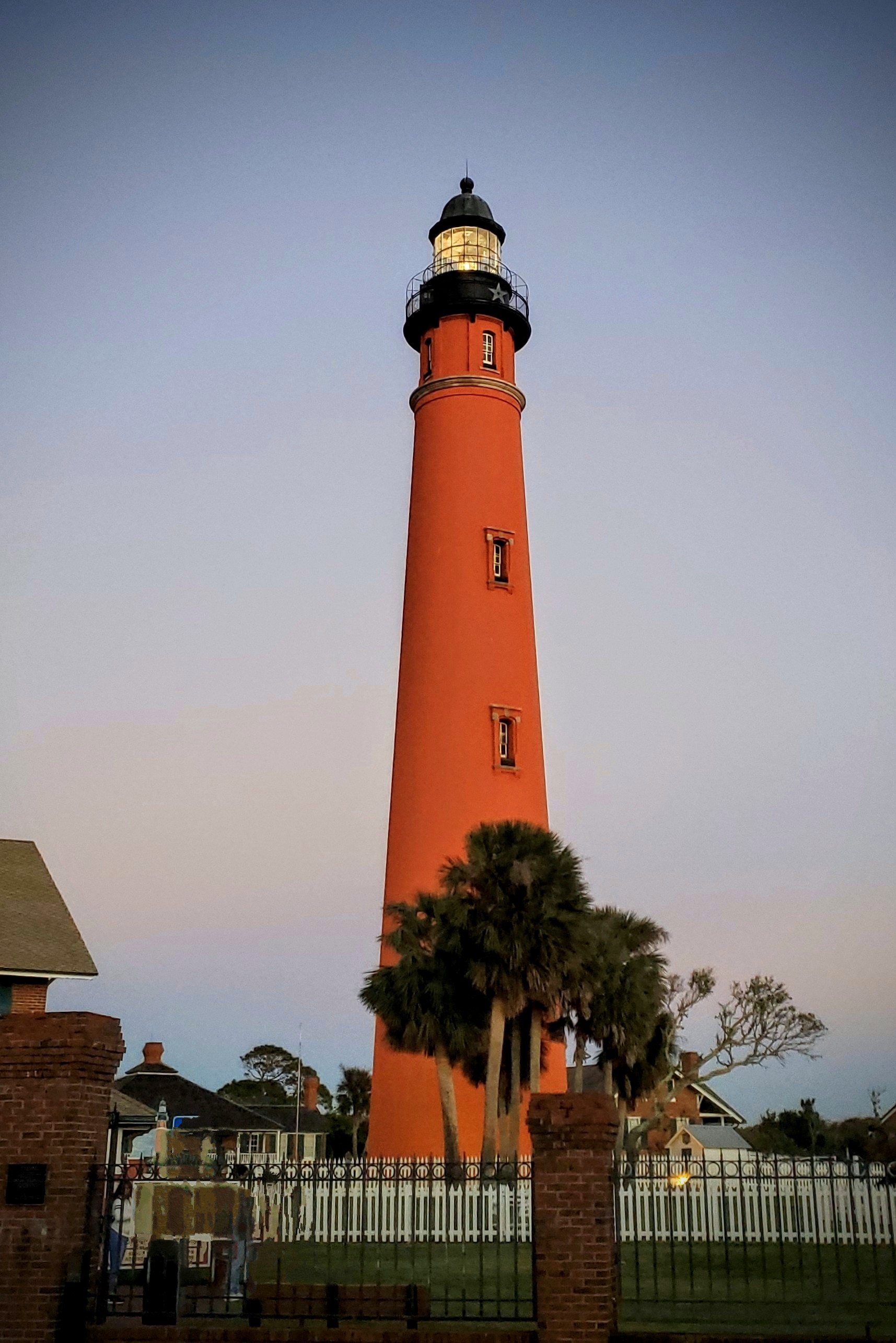
Ponce Inlet, with its iconic Lighthouse, serene beaches, and access to both the Atlantic Ocean and the Halifax River, is a dream destination for many. It's also an attractive market for real estate investors looking to capitalize on the vacation rental demand. However, before you jump into purchasing a property with the intent to rent it out short-term, it's absolutely essential to understand the intricate web of rules and regulations governing Short-Term Rentals (STRs) in Ponce Inlet (ZIP 32127).
The Three Layers of Short-Term Rental Regulations
Unlike some larger, more homogenous markets, Ponce Inlet's STR landscape is influenced by at least three distinct regulatory bodies, each with its own set of rules:
1. Town of Ponce Inlet Ordinances
The Town of Ponce Inlet has specific zoning ordinances that dictate where STRs are permitted. Generally, single-family homes in residential zones may have limitations or outright prohibitions on short-term rentals, often defined as stays under 30 days. Some areas, particularly those zoned for commercial or tourist accommodation, will be more permissive. Always verify the specific zoning for any property you're considering with the Town's planning department. This is your first and most crucial step.
2. Condominium and Homeowners' Association (HOA) Rules
This is where many prospective buyers get tripped up. Even if the Town's ordinances allow STRs in a particular zone, the individual condominium association or homeowners' association can (and often does) have its own, stricter rules. Many beachfront condos, like those near Lighthouse Point Park or along Peninsula Drive, have specific clauses in their governing documents (Declaration of Condominium, Bylaws, Rules and Regulations) that:
- Prohibit short-term rentals entirely.
- Require minimum rental periods (e.g., 30 days, 90 days, or even annual leases only).
- Limit the number of times a unit can be rented per year.
- Require renters to be approved by the HOA board.
- Impose additional fees or taxes on rentals.
For communities like Harbour Village, which offers a mix of condos and single-family homes, different sections or buildings may have entirely different rental policies. Never rely on a seller's word; always obtain and meticulously review the current HOA documents, paying close attention to rental restrictions, before making an offer.
3. State of Florida Regulations & Licensing
Beyond local rules, all short-term rental operators in Florida must comply with state-level requirements. This includes registering with the Florida Department of Business and Professional Regulation (DBPR) for a lodging license and collecting and remitting state sales tax and local tourist development taxes (TDT) to Volusia County. Understanding these financial obligations is key to accurately projecting your potential rental income.
Beachfront vs. Riverfront: A Rental Distinction?
While the direct zoning and HOA rules are the primary drivers, it's worth noting that beachfront properties often face higher demand for short-term rentals, particularly those with direct ocean access. However, many of these iconic oceanfront condo buildings were built with long-term residents in mind, and their HOAs reflect that. Riverfront properties, particularly those with private docks or marina access, can also command strong rental rates, especially for fishing and boating enthusiasts. The key is always to verify, not assume, the rental allowances for each specific property's location and community.
Essential Due Diligence for STR Buyers
1. Verify Zoning: Confirm with the Town of Ponce Inlet planning department that the property's zoning permits short-term rentals. 2. Scrutinize HOA Docs: Obtain and thoroughly read the Declaration of Condominium/HOA Covenants, Bylaws, and Rules & Regulations for any rental restrictions. Pay attention to proposed amendments or upcoming changes. 3. Budget for Compliance: Factor in state licensing fees, tourist development taxes, and any potential HOA rental fees into your financial projections. 4. Insurance: Ensure your homeowner's insurance policy covers short-term rental activity. Standard policies often do not.
Investing in Ponce Inlet real estate can be incredibly rewarding, especially with the potential for rental income. However, navigating the specific short-term rental landscape requires careful attention to detail. Skipping due diligence on these regulations can lead to significant financial setbacks or even legal issues.
Ready to explore investment opportunities in Ponce Inlet with a clear understanding of the short-term rental market? Contact Chris today for expert, locally-specific guidance. Whether you're looking for a beachfront condo with rental potential or a single-family home near the marina, Chris can help you find properties that align with your investment goals and navigate the complexities of 32127's rental rules. Get a free home valuation to understand the current market value of potential investment properties.
Want this on your street?
See active Ponce Inlet listings or get a real human valuation of your home.