Investment
Ponce Inlet vs New Smyrna Beach: Late 2026 Coastal Investor Guide
5 min read · Chris Sanford
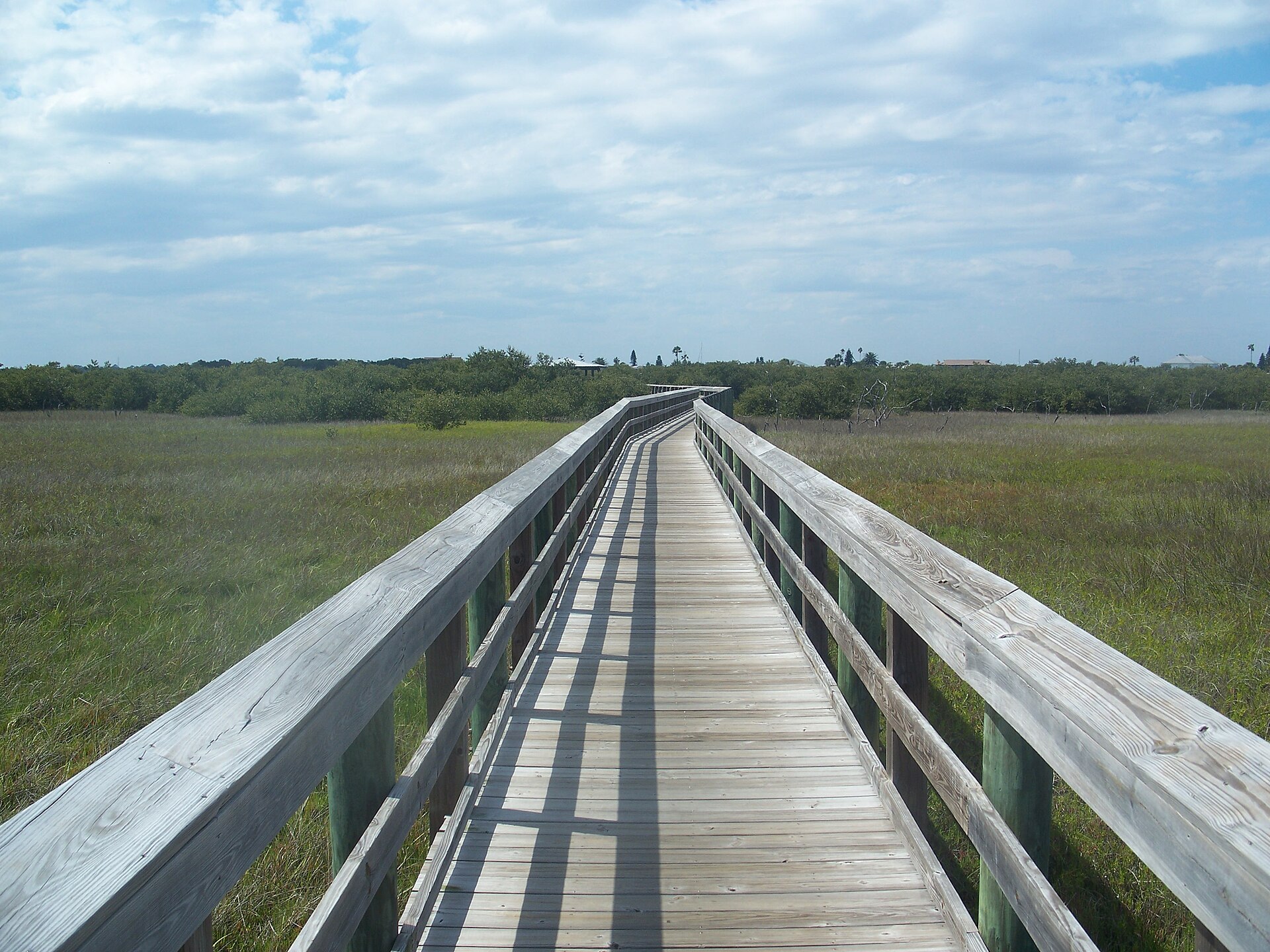
Separated only by the inlet channel, Disappearing Island, and the swirling tides of Lighthouse Point Park, Ponce Inlet and New Smyrna Beach represent two of Volusia County's most desirable coastal communities. For real estate investors evaluating late 2026 opportunities, however, crossing that narrow waterway shifts the entire investment calculus.
While New Smyrna Beach (NSB) often captures attention for its active, short-term vacation rental market along Flagler Avenue, Ponce Inlet (ZIP 32127) commands a distinct profile: a low-density, high-equity haven characterized by long-term capital preservation, minimal wear-and-tear, and lucrative multi-month seasonal leases.
If you are deploying capital into coastal Florida real estate as 2026 winds down, understanding the structural differences between these two barrier island markets is essential for maximizing risk-adjusted yield.
Municipal Ordinances: The True Driver of Net Yield
The fundamental divide between Ponce Inlet and New Smyrna Beach lies in local regulatory policy. In real estate investing, ordinances dictate your operational overhead and vacancy exposure.
- Ponce Inlet (32127): The Town of Ponce Inlet strictly protects its residential tranquility. In single-family zoning districts, residential rentals typically require a minimum lease period (predominantly 30 days or one month), prohibiting weekend or nightly transient stays. Even within premier condominium complexes such as Harbour Village or oceanfront towers along South Atlantic Avenue, HOA declarations enforce standardized 30-day, quarterly, or seasonal leasing limits.
- New Smyrna Beach: While NSB also enforces restrictions in certain mainland and residential zones, large swaths of beachside and condo-hotel communities permit weekly or daily short-term rentals (STRs). This allows for higher peak gross revenues, but it comes accompanied by substantial city registration burdens, hospitality tax filings, and recurring regulatory scrutiny.
Investors who mistake gross revenue for net yield often get caught off guard by the friction of operating daily rentals in NSB, whereas Ponce Inlet provides a remarkably predictable operating baseline.
Gross Vacation Revenue vs. Net Seasonal Cash Flow
A surface-level analysis often lures novice investors toward New Smyrna Beach due to eye-catching gross summer projections. However, late 2026 operational expenses have tightened the gap between gross and net cash flows.
In New Smyrna Beach, running a 7-day or nightly vacation rental demands a 20% to 30% full-service property management fee, recurring cleaning and turnover costs, higher utility overhead, and elevated commercial-grade liability insurance. Furthermore, the relentless turnover of beachgoers, surfboards, and weekend crowds accelerates interior wear-and-tear, requiring reserve allocations of 8% to 12% annually for repairs and capital refreshes.
Conversely, an investment property in Ponce Inlet typically relies on extended winter leases (targeting Canadian and Midwestern snowbirds from January through April) combined with monthly executive or family rentals during summer. Consider the financial advantages:
- Lower Management Fees: Monthly and multi-month lease placements generally command fees between 10% and 15%, nearly halving management overhead.
- Zero Mid-Week Turnover Costs: High-frequency cleanings, key handoffs, and linen services drop to zero during multi-month contracts.
- Tenant Demographics: Ponce Inlet tenants are typically mature retirees, seasonal remote executives, or second-home owners waiting on renovations. They treat properties with immense care, preserving finishings, appliances, and flooring.
When calculating true net operating income (NOI) at the end of the year, Ponce Inlet's steady, low-overhead model consistently competes with—and frequently outpaces—the volatile, gross-heavy returns of transient beach communities.
Capital Preservation and Appreciation Trends
Beyond immediate cash-on-cash yield, capital growth depends heavily on supply constraints. In Ponce Inlet, land scarcity is absolute. Bordered by the Atlantic Ocean to the east, the Halifax River along Peninsula Drive to the west, and county parkland to the south, 32127 has virtually zero greenfield development remaining.
New Smyrna Beach continues to see annexation, inland expansion, and large-scale master-planned developments pushing westward along State Road 44 and Pioneer Trail. This outer supply pipeline can dilute overall market scarcity over a multi-decade horizon.
In contrast, every property in Ponce Inlet is fundamentally tied to the coast. You are investing in a finite enclave where strict height limits and tight zoning safeguard view corridors and neighborhood density. For investors focused on generational wealth, equity stability, and inflation hedging, 32127 delivers structural downside protection that high-density tourism hubs simply cannot match.
Insurance and Reserve Health in Condominium Assets
Both markets must navigate Florida's post-SB 4-D structural reserve and Milestone Inspection requirements. However, the condominium landscape in Ponce Inlet provides distinct investor advantages in late 2026.
Because Ponce Inlet experienced targeted, high-end development cycles across the 1990s and 2000s—including the master-planned buildout of Harbour Village—many associations implemented proactive reserve funding early. In contrast, older oceanfront buildings across NSB that operated as intensive condotels have faced steep special assessments to replace high-wear shared amenities, elevators, and concrete deteriorated by four decades of transient traffic.
Before allocating capital in either market, reviewing structural reserve studies and wind mitigation documentation is paramount. A Ponce Inlet association with a fully funded reserve and clean inspection history will safeguard your cap rate against unexpected five-figure assessment calls.
Key Investment Takeaways for Late 2026 Buyers
1. Define Your Strategy: Choose New Smyrna Beach if you want an active, hospitality-style business requiring hands-on oversight and dynamic pricing. Choose Ponce Inlet if you want passive, turn-key seasonal income and strong asset preservation. 2. Underwrite for Net, Not Gross: Factor in 25% management, high utility bills, and accelerated maintenance for short-term rentals before assuming NSB generates a superior yield. 3. Leverage the Snowbird Premium: High-net-worth seasonal renters pay premier monthly rates to enjoy Ponce Inlet's quiet uncrowded sands, no-drive beaches, and proximity to the marina without tourist congestion. 4. Prioritize 32127 Exclusivity: Limited land supply and established residential zoning make Ponce Inlet single-family homes and luxury condos exceptionally resilient during macro market corrections.
Structure Your Next Coastal Acquisition
Deciding between Volusia County's premier coastal markets requires granular local data, verified HOA rental bylaws, and realistic operational expense modeling. Whether you are executing a 1031 tax-deferred exchange or purchasing your first oceanfront income property in 32127, having local boots on the ground makes all the difference.
Contact Chris today to review current MLS investment inventory, analyze historical seasonal rental yields, or request a complimentary valuation on your existing coastal real estate portfolio.
Want this on your street?
See active Ponce Inlet listings or get a real human valuation of your home.