Selling
Pre-Listing Inspections for Ponce Inlet & Volusia Sellers
6 min read · Chris Sanford
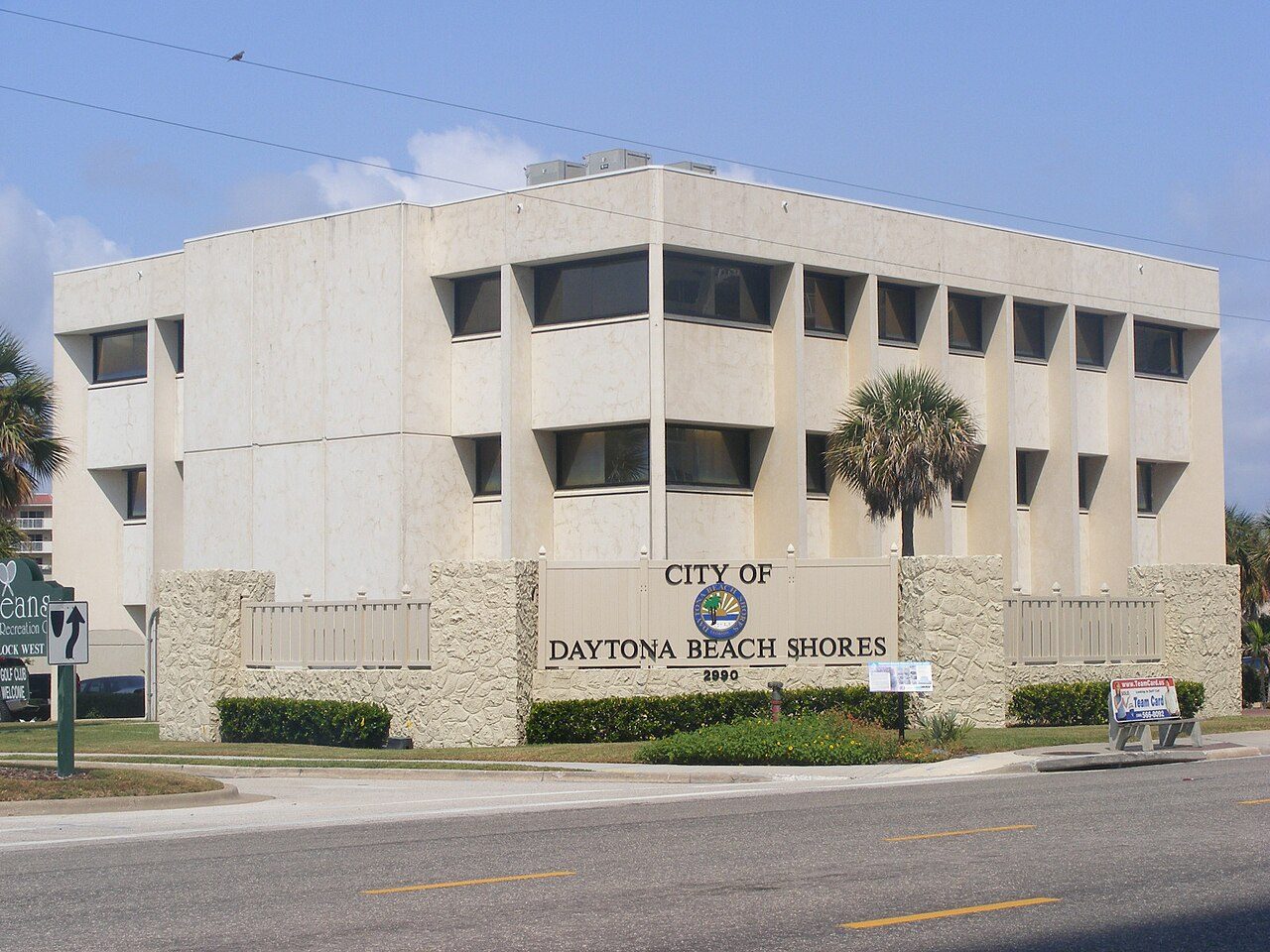
Selling a home along the Volusia County coastline—from the tranquil tip of Ponce Inlet and Wilbur-by-the-Sea to the vibrant beachside neighborhoods of New Smyrna Beach, Daytona Beach Shores, and Ormond Beach—requires a tailored approach. Coastal living is incredible, but salty ocean breezes, high humidity, and subtropical weather patterns take a heavy toll on residential structures. When a prospective buyer submits an offer on your property, their home inspection contingency is usually the single largest hurdle in the entire transaction.
Unexpected inspection findings often lead to aggressive price drop demands, costly repair credits at closing, or even cancelled contracts right before closing. A proactive pre-listing inspection gives sellers in zip code 32127 and surrounding coastal markets complete control over the narrative. By knowing your home's condition before hitting the MLS, you can make strategic repairs, price accurately, and navigate disclosures without fear of surprises.
Here is a comprehensive look at how beachside sellers should handle pre-listing inspections: what to repair immediately, what mandatory items to disclose, and what minor projects you can safely skip.
Why Beachside Pre-Listing Inspections Are Different
Inland homes in Port Orange or Ormond West face standard residential wear, but barrier island homes deal with continuous exposure to corrosive salt air, elevated humidity, and tropical storm activity. Local buyers—and their home inspectors—are hyper-focused on specific coastal vulnerability points.
Furthermore, Florida's property insurance market places intense scrutiny on four major systems: the roof, electrical wiring, plumbing, and HVAC. In coastal Volusia County, buyers will almost always require a 4-Point Inspection and a Wind Mitigation Report alongside their general inspection. Performing a pre-listing inspection allows you to address insurance deal-breakers ahead of time so your buyer's financing doesn't stall due to uninsurable conditions.
What to Fix Before Listing Your Coastal Home
Not every item flagged on an inspection report requires a contractor. However, major system defects, safety hazards, and items that affect insurance eligibility should be tackled prior to putting up the "For Sale" sign.
- Roofing Issues and Age Deficiencies: In Volusia County, roof age and condition dictate insurance rates. Missing shingles, compromised flashing, or roofs approaching 15–20 years (depending on material) will draw immediate scrutiny. Repair active leaks and consider securing an official roof certification if your roof has remaining useful life.
- HVAC Condensers and Salt-Air Corrosion: Outdoor AC units on the beach side suffer from severe coil corrosion. If your air conditioner is struggling to hold a 15-to-20 degree temperature differential or has rusted fins blocking airflow, service or replace the unit. Clean drain lines to prevent emergency backup shutoffs during showings.
- Outdated Electrical Panels: Homes built along the coast during the 1970s and 1980s often contain electrical panels (such as Federal Pacific or Zinsco) that many Florida insurance carriers refuse to insure. Replacing an outdated breaker panel prior to listing removes a massive hurdle for buyers.
- Plumbing Leaks and Water Intrusion: Moisture is the enemy of coastal real estate. Fix dripping valves, aging supply lines under sinks, and elevated moisture areas near sliding glass doors or exterior stucco walls.
- Deck and Balcony Guardrails: Exterior wood decks and coastal balcony railings exposed to salt spray degrade faster than inland structures. Secure loose railings and address structural wood rot on elevated balconies to eliminate clear safety hazards.
What to Disclose: Florida's Strict Seller Disclosure Rules
Under Florida law—specifically the landmark legal precedent established in Johnson v. Davis—a seller is legally obligated to disclose any known facts or defects that materially affect the value of real property which are not readily observable by the buyer.
Hiding past repairs or known issues is both illegal and financially risky. Being transparent on your Florida Seller’s Property Disclosure Statement builds instant buyer trust and protects you against post-sale litigation.
- Past Water Intrusion and Storm Damage: Disclose any historical flooding, roof leaks, or ocean-front wind intrusion from past hurricanes, along with the professional remediation steps you took to correct them.
- Previous Insurance Claims: Keep detailed receipts and documentation for any past insurance repairs (e.g., pipe burst repairs, roof replacements, or water damage mitigation).
- Salt Air Corrosion on Structural Steel: If you own a condo in Daytona Beach Shores or Ponce Inlet, disclose any known spalling (concrete deterioration) or pending structural condo assessments mandated under recent Florida legislation.
- Environmental Factors: Disclose known pest history, such as subterranean termites or drywood termites, which are common in coastal Volusia environments.
What to Skip: Cosmetic Imperfections and Minor Wear
One of the biggest mistakes sellers make is spending thousands of dollars fixing cosmetic blemishes that bring little to no return on investment. Buyers expecting a beachside home usually anticipate a few signs of coastal living.
- Minor Surface Rust on Non-Structural Fixtures: Light surface oxidation on exterior light fixtures, decorative gate hinges, or hose bibs can be left as-is or touched up with rust-inhibiting paint rather than fully replaced.
- Aging but Functional Appliances: If your ocean-view kitchen has older appliances that are fully operational, leave them alone. Buyers frequently plan to remodel kitchens to their personal taste.
- Cosmetic Hairline Stucco Cracks: Hairline cracks in exterior stucco are extremely common in Volusia County due to normal thermal expansion. Unless water is actively penetrating the building envelope, simple caulking and paint during routine maintenance is sufficient.
- Outdated Aesthetic Decor: Avoid replacing original tile flooring, vintage bathroom vanities, or dated wallpaper. Simply price the home appropriately to reflect its current cosmetic condition.
5 Actionable Pre-Listing Takeaways for Volusia Sellers
1. Schedule a Pre-Listing Inspection: Hire a certified, local inspector who understands beachside conditions and barrier island construction nuances. 2. Order Wind Mitigation & 4-Point Reports Early: Having these insurance-ready documents attached to your MLS listing gives prospective buyers and their lenders immediate confidence. 3. Service Mechanical Systems: Get an HVAC tune-up, clean dryer vents, and inspect your water heater to ensure smooth operational checks during buyer inspections. 4. Assemble a Repair & Maintenance Book: Gather warranties, repair receipts, roof installation dates, and contractor invoices in a binder for buyers to review. 5. Over-Disclose to Eliminate Liability: When in doubt about whether a past issue is material, document it on the seller disclosure. Full disclosure eliminates buyer leverage later in negotiations.
Ready to List Your Beachside Property?
Navigating a successful sale along the Volusia County coastline requires hyper-local expertise, strategic preparation, and clear market positioning. Whether you own an oceanfront condominium in Daytona Beach Shores, a riverfront estate in Port Orange, or a serene coastal home in Ponce Inlet, taking the right steps before listing will maximize your net proceeds and ensure a hassle-free transaction.
If you are considering selling your home in Ponce Inlet, Wilbur-by-the-Sea, or nearby coastal areas, explore current Volusia coastal listings to see how your property compares, or contact local real estate specialist Chris Sanford today for a custom home valuation and pre-listing consultation.
Want this on your street?
See active Ponce Inlet listings or get a real human valuation of your home.