Selling
Sell or Rent Your Volusia Beach Home? The Real Numbers Breakdown
5 min read · Chris Sanford
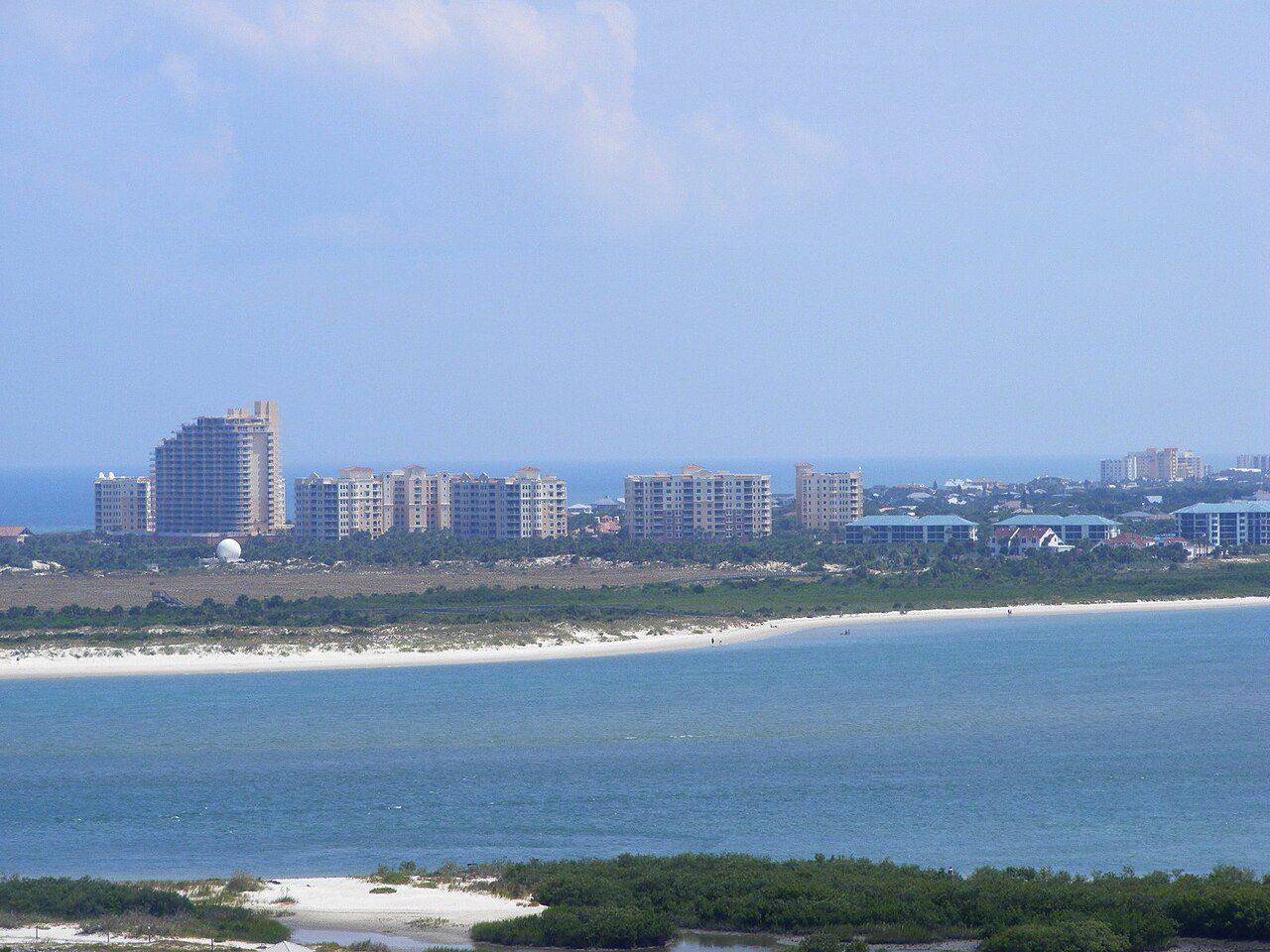
Holding coastal real estate along Volusia County’s barrier islands—from the peaceful stretches of Ponce Inlet and Wilbur-by-the-Sea to the bustling shorelines of Daytona Beach Shores and New Smyrna Beach—has historically been a phenomenal wealth-building strategy. However, market shifts, evolving condo regulations, and changing tax structures leave many owners asking a critical question: Should I sell my beach property now, or should I turn it into a rental?
While emotional factors like family memories play a role, making the right decision comes down to a cold, hard evaluation of the balance sheet. In coastal Florida, renting out a home is not as simple as subtracting your mortgage payment from expected rental income. You must calculate insurance spikes, tax adjustments, HOA assessment risks, and municipality-specific rental restrictions. Here is a straight comparison of the numbers to help you decide.
1. Carrying Costs: The True Price of Holding Coastal Property
To evaluate rental potential, you must first calculate your true holding costs as a landlord versus a primary or secondary owner. In coastal Volusia County, three major expenses can quickly erode rental profit margins:
- Property Taxes and the Loss of Save Our Homes: If you currently live in the property as your primary residence, your annual tax assessment increase is capped at 3% under Florida's Save Our Homes amendment. The moment you convert the home into a rental investment property, you lose your Homestead Exemption. Non-homestead property tax increases are capped at 10% annually, and your property will be reassessed at current market value, leading to a significant jump in carrying costs.
- Coastal Homeowners and Windstorm Insurance: Property insurance across Volusia County’s 32127 and surrounding zip codes has shifted dramatically. Rental properties often require commercial or landlord-specific dwelling policies (DP-3), which carry higher premiums than traditional owner-occupied policies (HO-3). Factor in separate flood insurance premiums and high windstorm deductibles (often 2% to 5% of the dwelling coverage), and insurance alone can eat up 15% to 25% of your gross rental income.
- Condo Reserve Requirements and Milestone Inspections: If your property is a condo in Daytona Beach Shores or Ponce Inlet over three stories high, Florida Senate Bill 4-D mandates strict structural integrity reserve studies and milestone inspections. Many oceanfront HOA dues have doubled or levied five-figure special assessments to fully fund reserves. As a seller, you shift this risk to the buyer; as a landlord, these fees directly reduce your net rental yield.
2. Rental Income Potential: Long-Term vs. Short-Term Realities
Evaluating gross rent requires understanding hyper-local zoning laws across Volusia County’s coastal municipalities. Renting is far from a one-size-fits-all scenario.
- Ponce Inlet: Ponce Inlet has strict short-term rental restrictions. Most residential zones mandate minimum rental periods of 1 month or longer, eliminating daily/weekly Airbnb-style models. Long-term rentals yield reliable, steady income with lower turnover, but gross revenues are lower.
- Daytona Beach Shores & New Smyrna Beach: Select condominium complexes and overlay districts allow daily or weekly vacation rentals. While gross revenues can be substantial during peak season (February through April and summer months), operational expenses are steep. Professional property management companies typically charge 15% to 30% of gross revenue, plus cleaning, turnover, and local tourist tax compliance fees.
- Salt Air Maintenance: Coastal environment wear and tear is severe. A/C condensers, exterior paint, sliding door hardware, and metal fixtures deteriorate faster in barrier island humidity. Set aside at least 10% to 15% of annual rental income purely for ongoing coastal maintenance.
3. Equity and Opportunity Cost: Cashing Out vs. Holding
When deciding whether to sell, evaluate what your tied-up equity could earn elsewhere. If your Ponce Inlet home is worth $750,000 and you owe $250,000, you have $500,000 in home equity.
- The Primary Residence Capital Gains Exclusion: If you have lived in the home as your primary residence for two out of the past five years, you can exclude up to $250,000 (single) or $500,000 (married filing jointly) in capital gains from federal income tax. If you convert the property into a rental for more than three years, you lose this tax-free windfall and may face significant capital gains taxes plus depreciation recapture upon a future sale.
- Return on Equity (ROE): If your $500,000 of equity generates $15,000 in net annual profit after accounting for taxes, insurance, HOA fees, and maintenance, your Return on Equity is just 3%. Conservative financial instruments, re-investing in alternative real estate via a 1031 exchange, or paying down high-interest debt elsewhere might yield a far higher return with zero landlord hassle.
4. Key Actionable Takeaways for Coastal Owners
1. Calculate Net Operating Income (NOI), Not Gross Rent: Subtract property management fees, realistic maintenance, non-homestead tax adjustments, and landlord insurance from projected rent to see your true return. 2. Check Municipal Rental Rules First: Verify zoning laws in Ponce Inlet, Wilbur-by-the-Sea, or Daytona Beach Shores before assuming you can run a short-term vacation rental. 3. Mind the Tax Clock: Sell before losing your $250k/$500k primary residence capital gains tax exclusion if you have lived in the home for two of the last five years. 4. Audit Condo Reserve Health: Review your HOA’s current reserve study and recent board meeting minutes to anticipate upcoming special assessments that could wipe out rental income. 5. Compare Alternative Uses for Equity: Weigh your net rental yield against low-maintenance investment opportunities to determine if holding the property aligns with your long-term financial goals.
Next Steps: Making Your Decision
Deciding whether to list your Volusia beach property or place it on the rental market isn't a decision you have to make in the dark. A clear financial picture begins with an accurate market valuation and a breakdown of your estimated net proceeds upon sale. Whether you own a luxury condo in Ponce Inlet, a beachside home in New Smyrna Beach, or an investment unit in Daytona Beach Shores, I can provide a comprehensive, local market analysis. Explore current Volusia coastal listings to see what buyers are currently paying, or contact Chris Sanford today for a personalized, no-obligation home valuation and equity assessment.
Want this on your street?
See active Ponce Inlet listings or get a real human valuation of your home.