Selling
Selling a Volusia Condo: HOA Rules, Reserves & Lender Approval
5 min read · Chris Sanford
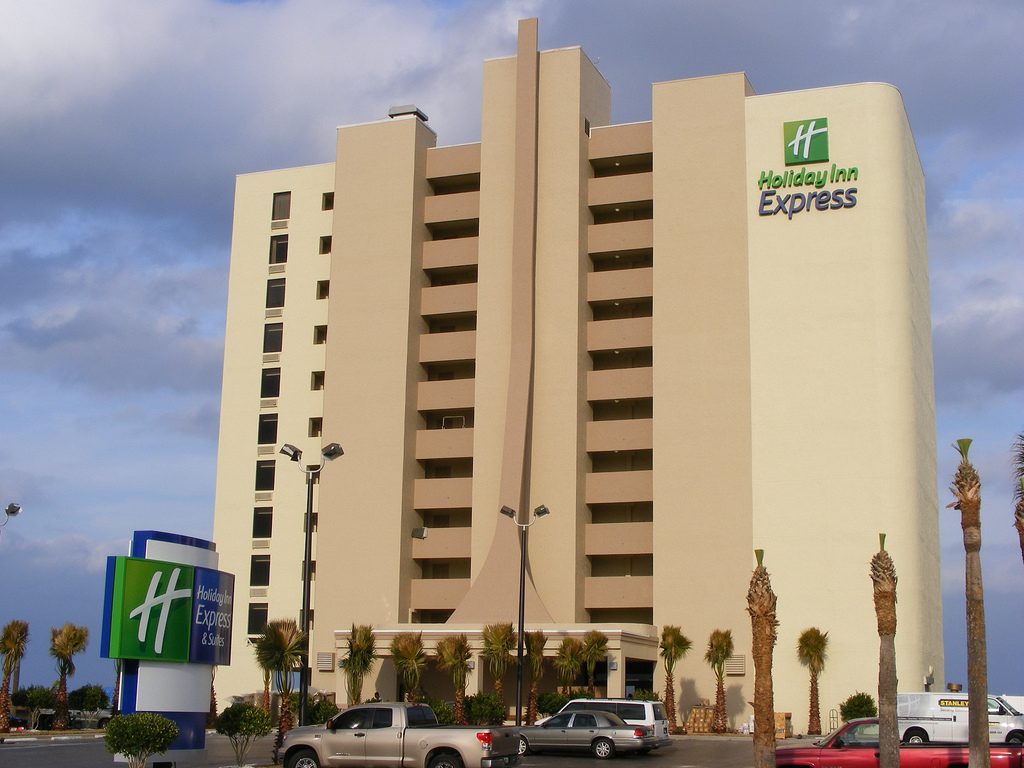
Selling an oceanfront or riverfront condominium along the Volusia County coastline—whether in quiet Ponce Inlet, high-rise Daytona Beach Shores, or vibrant New Smyrna Beach—used to center almost entirely on floor plans, sunset views, and interior upgrades. While ocean vistas still command top dollar, the mechanics of closing a condo deal in Florida have evolved dramatically. Recent updates to state condo legislation, heightened underwriting standards from Fannie Mae and Freddie Mac, and shifting buyer expectations mean that what is happening inside your Homeowners Association (HOA) board room is just as important as what is happening inside your unit.
To achieve a seamless sale and top market value, sellers must understand how HOA documentation, financial reserves, special assessments, and building warrantability influence a buyer’s ability to secure a mortgage. Preparing these elements before your property hits the Multiple Listing Service (MLS) prevents costly delays and canceled contracts.
1. What Makes a Volusia Condo Building 'Lender-Friendly'?
When a buyer applies for a conventional mortgage on a condominium along South Atlantic Avenue or Peninsula Drive, the mortgage lender does not evaluate only the homebuyer's creditworthiness. They conduct a thorough review of the entire condominium association using a standardized Condominium Questionnaire.
Lenders categorize buildings into two main brackets:
- Warrantable Condos: These complexes meet standard Fannie Mae, Freddie Mac, and FHA guidelines. Lenders view them as low-risk assets, allowing buyers to qualify for conventional financing with down payments as low as 3% to 10%.
- Non-Warrantable Condos: Buildings that fall outside federal guidelines due to ongoing litigation, high concentration of single-entity ownership, short-term rental dominant operations, inadequate reserve budgets, or unaddressed structural defects. Buying in a non-warrantable building typically requires 20% to 30% down payments, non-conforming portfolio loans, or all-cash transactions.
If your building is lender-friendly, your pool of potential buyers is significantly larger, driving stronger demand and competitive offer prices. If your building faces warrantability hurdles, your marketing strategy must pivot toward cash buyers and specialized lenders.
2. Navigating Senate Bill 4-D and Reserve Studies
In response to safety legislation across Florida, condominium associations with buildings three stories or higher located within three miles of the coastline—which includes virtually all oceanfront towers in Ponce Inlet, Daytona Beach Shores, and Wilbur-by-the-Sea—are subject to strict structural oversight.
Key requirements impacting sellers include:
- Milestone Inspections: Structural inspections conducted by licensed engineers once a building reaches 25 or 30 years of age, repeated every 10 years thereafter.
- Structural Integrity Reserve Studies (SIRS): Mandatory evaluations requiring HOAs to fully fund reserves for critical structural components, including roofs, load-bearing walls, floors, foundations, fire protection systems, plumbing, and seawalls.
- Elimination of Reserve Waiving: Association members can no longer vote to opt out of or fully waive funding for essential structural reserves.
Buyers and lenders now routinely request copies of the building's SIRS report and Milestone Inspection summary. If your HOA has proactive leadership and clear reserve planning, this serves as a powerful marketing highlight for your listing.
3. Gathering Your HOA Document Package Before You List
Waiting until you accept an offer to request association documents is one of the most common mistakes condo sellers make. Florida law provides buyers a statutory three-day right of rescission after receiving full HOA governance documents. Delivering incomplete or delayed paperwork resets this clock, creating unnecessary deal instability.
Before listing your condo, assemble a comprehensive digital disclosure package containing:
- Declaration of Condominium and Bylaws: Outlining leasing restrictions, pet limits, and architectural rules.
- Current Year Approved Budget & Year-End Financials: Proving financial stability and operational health.
- Most Recent Reserve Study (SIRS): Demonstrating compliance with Florida safety mandates.
- Frequently Asked Questions (FAQ) & Governance Form: Detailing current dues, rental minimums, and fee structures.
- Proof of Master Property & Flood Insurance Policies: Confirming adequate building coverage.
- Board Meeting Minutes (Past 12 Months): Revealing upcoming projects or discussed assessments.
Having this package organized on day one demonstrates complete transparency, reassures cautious buyers, and allows lender review departments to approve financing without hold-ups.
4. How to Handle Active or Pending Special Assessments
Due to building maintenance requirements and coastal salt-air exposure, concrete restoration, balcony repair, and roof replacements are routine aspects of coastal Florida condo living. When a special assessment is active or under consideration, clear strategy is paramount.
When positioning your sale, consider these key approaches:
- Full Seller Payoff at Closing: If an assessment has been formally levied, paying the remaining balance out of your seller proceeds at closing is often the simplest path to keeping conventional buyers eligible.
- Credit or Price Adjustment: In cases where an assessment is paid monthly over several years, negotiating a price reduction or credit allows the buyer to absorb future payments while preserving cash flow.
- Lender Guidelines on Assessments: Mortgage guidelines generally require that any assessment addressing structural safety or deferred maintenance be fully funded or paid prior to loan closing. Working with an agent who understands these nuances prevents unexpected underwriting conditions days before settlement.
Actionable Takeaways for Volusia Condo Sellers
1. Request your HOA Resale Package early: Contact your property management team weeks before going live on the market to avoid rush fees and listing delays. 2. Verify your building's financing status: Ask your board or property manager if any recent lender questionnaires have been flagged or denied by major buyers' lenders. 3. Highlight structural compliance in marketing: If your building has completed its Milestone Inspection or fully funded its SIRS, ensure your agent promotes this as a major selling point. 4. Price accurately for monthly dues: Factor elevated monthly HOA fees into your competitive pricing analysis to keep total monthly housing cost attractive to target buyers. 5. Work with a coastal specialist: Partner with a real estate professional who understands the hyper-local nuances of Volusia County barrier island communities.
Navigating condominium sales in today's market requires clear data, hyper-local foresight, and structured preparation. To discuss your building's market position, review recent oceanfront sales, or receive an accurate evaluation of your property's value, connect with Chris Sanford for a free, no-obligation home valuation or browse current Volusia coastal listings today.
Want this on your street?
See active Ponce Inlet listings or get a real human valuation of your home.