Buying
Volusia Coast Condo vs Single-Family: Fees, Inspections & Loans
5 min read · Chris Sanford
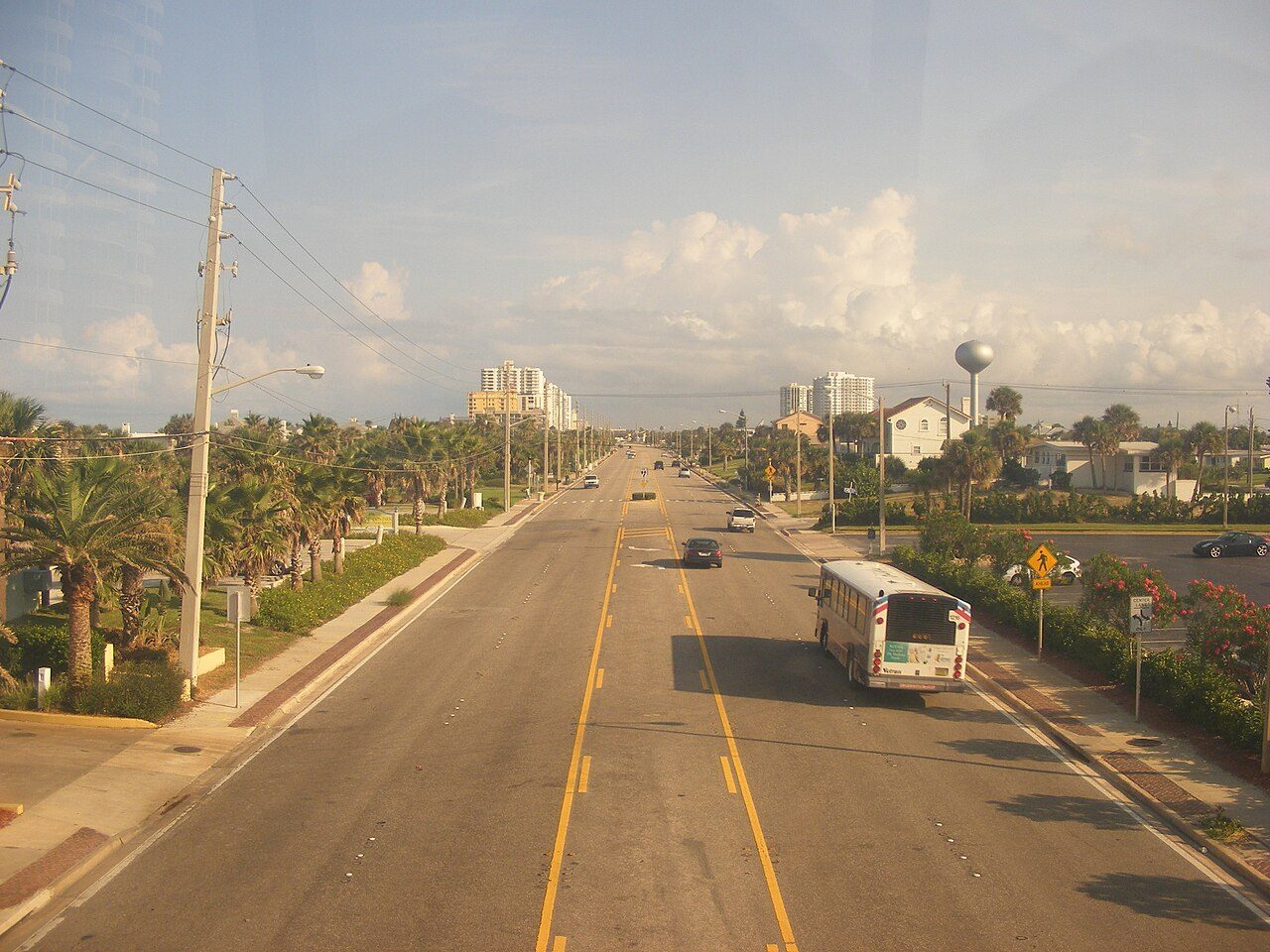
Choosing between a low-maintenance high-rise condominium and a private single-family home along the Volusia County coastline is one of the most critical decisions a buyer will make. Whether you are looking at oceanfront towers along South Atlantic Avenue in Ponce Inlet, quiet mid-rises in Daytona Beach Shores, or charming coastal cottages in New Smyrna Beach and Wilbur-by-the-Sea, each property type comes with vastly different financial responsibilities, structural inspection requirements, and mortgage underwriting rules. Navigating Florida's evolving real estate landscape requires a clear understanding of what happens behind the scenes—from HOA reserve studies to salt-air maintenance budgets.
HOA Fees vs. Direct Maintenance: Understanding the True Cost
When evaluating a condominium in Volusia County, buyers are often surprised by monthly Condominium Association (HOA) fees, which can range anywhere from $500 to well over $1,200 per month depending on building amenities, oceanfront proximity, and square footage. However, comparing an HOA fee directly to a zero-HOA single-family home is not an apples-to-apples comparison.
In a coastal condo, monthly dues typically cover essential shared expenses:
- Building Master Insurance Policy: Covers the exterior structure, roof, and common elements against windstorm and hazard risks.
- Exterior Maintenance: Paint, concrete restoration, roof repairs, elevator servicing, and pool maintenance.
- Utilities & Services: Common area electricity, water, sewer, trash, cable TV, and internet.
When you buy a single-family home in Ponce Inlet or Port Orange, you carry these expenses individually. High-wind insurance, roof replacements every 15 to 20 years, exterior painting, and pool servicing come directly out of your pocket. In salt-air environments, coastal degradation accelerates wear on AC condensers, roof flashing, and exterior paint. While single-family home buyers enjoy complete autonomy over their property budgets, their long-term maintenance costs are often comparable to condo fees over a 10-year holding period.
Senate Bill 4-D: Milestone Inspections and Reserve Studies Explained
Following Florida's post-Surfside legislation (SB 4-D and subsequent updates), condominium buyers must pay close attention to building structural compliance. If you are shopping for a condo three stories or higher along the Volusia coast, two terms will define your due diligence process:
1. Milestone Structural Inspections: Buildings that reach 25 to 30 years of age (depending on proximity to the coastline) must undergo formal structural inspections by a licensed engineer. These reports assess load-bearing walls, balconies, concrete framing, and foundation integrity. 2. Structural Integrity Reserve Studies (SIRS): Associations are now legally mandated to fully fund reserves for critical structural components, including roofs, load-bearing walls, fire protection systems, plumbing, and balconies. Associations can no longer opt out of funding these structural reserves.
What does this mean for buyers? Older coastal condo buildings in Daytona Beach Shores or Ponce Inlet that deferred maintenance in past decades may face significant special assessments or major jumps in monthly HOA fees to build required reserve balances. Before signing a contract on any coastal condo, reviewing the association’s latest SIRS report, milestone inspection status, and current reserve funding is just as crucial as inspecting the condo unit itself.
Lending Pitfalls: Warrantable Condos vs. Single-Family Mortgages
Securing a mortgage for a single-family coastal home is generally straightforward, assuming traditional appraisals and windstorm insurance requirements are met. However, obtaining a mortgage on a Volusia coastal condo involves an additional layer of scrutiny known as condo project approval.
Lenders categorize condominiums as either warrantable or non-warrantable based on Fannie Mae, Freddie Mac, and VA guidelines:
- Warrantable Condos: Meet standard conventional secondary mortgage market guidelines. The association typically has healthy reserve accounts, low delinquency rates on HOA dues, minimal commercial space, and no major structural litigation.
- Non-Warrantable Condos: Fail one or more lender requirements. Common triggers on the Volusia coast include pending structural special assessments, inadequate reserve funding, high concentration of single-entity ownership, or active short-term rental programs managed like condo-hotels.
If a condominium project is deemed non-warrantable, traditional 30-year fixed conventional loans may be off the table. Buyers will need portfolio lenders, private financing, or larger down payments (often 20% to 30% or more). Working with a local coastal real estate team allows you to identify building warrantability before spending time and money on loan application fees.
Insurance Realities on the Barrier Island
Insurance dynamics differ significantly between single-family homes and condominiums along the barrier islands of Ponce Inlet, Wilbur-by-the-Sea, and New Smyrna Beach.
For single-family homeowners, securing homeowners insurance (HO-3) involves windstorm coverage, flood insurance (often mandatory in FEMA special flood hazard zones near the Halifax River or Atlantic Ocean), and liability protection. Roof age is the single largest driver of premium costs; roofs over 15 years old often require replacement before carrier binding.
For condo owners, the association purchases a master policy for the exterior shell, while the buyer purchases an HO-6 interior policy ("walls-in" coverage). While HO-6 policies are generally affordable, the master policy's rising cost directly inflates the building's monthly HOA budget. Buyers must examine the association's master policy deductibles—especially windstorm deductibles—to ensure they aren't exposed to sudden assessment risks following a tropical storm.
Key Takeaways for Volusia Coastal Buyers
- Review Financials Early: Request condo association balance sheets, reserve studies, and meeting minutes during your contractual inspection period.
- Verify SB 4-D Compliance: Confirm whether a condo building over three stories has completed its mandatory Milestone Inspection and Structural Integrity Reserve Study.
- Factor in True Single-Family Costs: Calculate individual windstorm insurance, flood coverage, land maintenance, and roof escrow when budgeting for a house in Ponce Inlet or Port Orange.
- Pre-Qualify for Condo-Specific Loans: Ensure your lender is experienced with Volusia County coastal condo questionnaires to avoid unexpected underwriting stalls.
- Examine Rental Restrictions: Understand whether leasing rules align with your long-term goals, whether you plan to reside full-time or offer seasonal rentals.
Navigating the coastal real estate market requires local insight, structural awareness, and clear financial guidance. Whether you are leaning toward a direct oceanfront condo with resort-style amenities or a private single-family residence steps from the beach, having expert representation protects your investment.
Ready to explore your options along the coast? Browse current Volusia coastal listings today or contact Chris Sanford for a comprehensive market analysis and personalized property consultation.
Want this on your street?
See active Ponce Inlet listings or get a real human valuation of your home.