Buying
Volusia Coast Second Home Guide: Taxes, Financing & Snowbird Math
5 min read · Chris Sanford
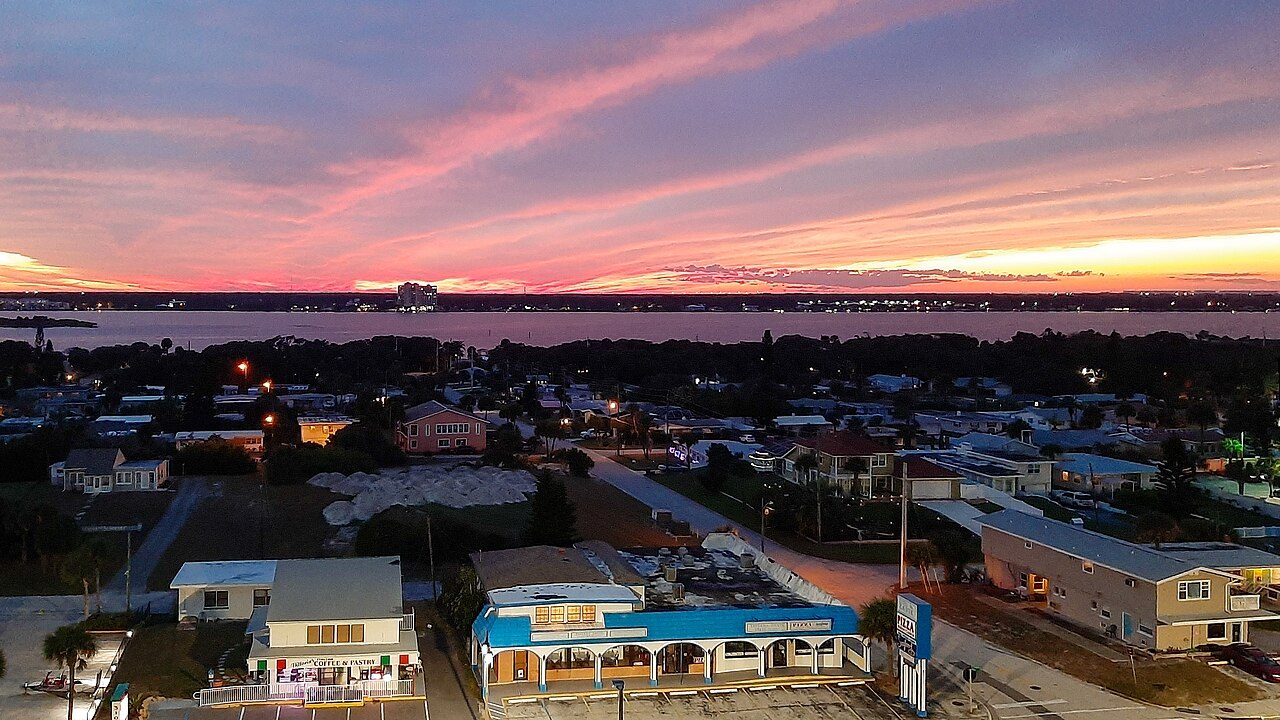
Tranquil mornings along the Ponce Inlet lighthouse, afternoon walks on the car-free stretches of Wilbur-by-the-Sea, and warm winters far away from northern snowplows—it is easy to fall in love with the Volusia County coastline. But buying a second home in coastal Florida requires more than just picking out patio furniture. Between shifting mortgage guidelines, local property tax structures, insurance premiums, and Florida’s strict homestead regulations, navigating the financial landscape demands a clear, realistic plan. Before you sign on the dotted line for an oceanfront condo in Daytona Beach Shores or a coastal cottage in New Smyrna Beach, here is what you need to know about second-home financing, tax rules, and the true snowbird math.
Financing a Second Home vs. Investment Property
Mortgage lenders draw a strict line between a secondary residence and an investment property. If you intend to use the property yourself for part of the year, you can typically secure second-home conventional financing, which generally offers more favorable terms than investment loans.
- Down Payment Requirements: Expect to put down at least 10% to 20% for a second home, whereas investment properties frequently require 25% or more.
- Interest Rates: Second-home mortgage rates carry loan-level price adjustments (LLPAs) set by Fannie Mae and Freddie Mac. While slightly higher than primary residence loans, they are usually lower than full investment property loans.
- Rental Intentions: If you plan to rent the home out on short-term platforms when you are not using it, lenders may classify it as an investment property. Always communicate your exact intentions with your loan officer to ensure compliance with lending regulations.
Understanding Florida Property Taxes and Homestead Rules
One of Florida’s biggest draws for secondary buyers is the absence of a state personal income tax. However, local ad valorem property taxes require careful calculation when establishing your annual budget.
- The Homestead Exemption Limitation: Florida's famous "Save Our Homes" cap limits annual property assessment increases to 3% (or the Consumer Price Index, whichever is lower) for primary residences. Second homes do not qualify for the Homestead Exemption. Non-homestead residential properties in Florida are subject to a 10% annual assessment increase cap instead.
- The Tax Reassessment Jump: Many out-of-state buyers calculate future taxes based on the seller's current property tax bill. This is a common pitfall. Upon sale, Volusia County reassesses the property at current market value, which can lead to a noticeable adjustment in year two.
- The 183-Day Rule: To establish Florida residency and claim primary tax benefits, you must physically reside in the state for at least 183 days per year and establish primary ties (driver's license, voter registration, primary declaration).
Doing the Real Snowbird Math: Insurance and HOA Overhead
Carrying costs on coastal Volusia properties involve more than principal, interest, and taxes. Accurately budgeting for ongoing overhead ensures your getaway remains a stress-free asset.
- Coastal Hazard & Flood Insurance: Properties east of the Intracoastal Waterway in communities like Ponce Inlet or Wilbur-by-the-Sea require specialized coverage. You will typically carry separate policies for general hazard/windstorm and flood insurance. Rates vary significantly based on building elevation, roof age, and construction type.
- Condo Association Reserves (SB 4-D Compliance): Under state regulations, Florida condos three stories or higher must undergo regular milestone structural inspections and maintain fully funded reserves for structural components. Higher monthly HOA dues or planned special assessments are becoming more common in older high-rises along Daytona Beach Shores and New Smyrna Beach. Reviewing HOA financial audits and reserve studies is essential prior to contract removal.
- Year-Round Climate Control: Even while you are away during the summer months, your Florida home requires continuous air conditioning set between 75 and 78 degrees to manage interior humidity and protect against mold. Monthly power bills will persist year-round.
Can Short-Term Rentals Offset Your Costs?
Many second-home buyers hope to offset carrying costs by renting their property out during peak spring and summer months. In Volusia County, short-term rental regulations vary drastically by neighborhood and municipality:
- Ponce Inlet & Wilbur-by-the-Sea: Highly restrictive short-term rental rules preserve quiet, low-density residential environments. In Ponce Inlet, minimum lease durations often range from one to several months depending on the specific zoning district.
- Daytona Beach Shores & New Smyrna Beach: Select oceanfront condo towers allow daily or weekly rentals, but zoning maps and individual HOA bylaws dictate precisely where vacation rentals can operate.
Never assume a property can be listed on short-term rental platforms without directly verifying municipal codes and condo association covenants.
Actionable Takeaways for Volusia Second Home Buyers
1. Secure Pre-Approval Specifically for Second-Home Financing: Ensure your lender evaluates your application under conventional second-home guidelines rather than primary or investment standards. 2. Estimate Taxes on Market Value, Not Seller History: Calculate your post-closing property taxes using current purchase price estimates rather than the seller’s current bill. 3. Request Complete HOA Reserve Studies: When evaluating coastal condos, inspect structural milestone reports and reserve funding schedules prior to finalizing your offer. 4. Verify Municipal Rental Codes Early: If rental income is part of your financial strategy, confirm local zoning laws before putting down earnest money. 5. Hire Professional Home Watch Services: Protect your investment during northern summers with a licensed, bonded local home watch operator to perform periodic physical inspections.
Ready to explore your options along the Volusia coastline? Whether you are searching for a peaceful oceanfront retreat in Ponce Inlet, a high-rise condo in Daytona Beach Shores, or a beachside home in New Smyrna Beach, having local guidance helps you buy with confidence. Reach out to Chris Sanford today to browse current Volusia coastal listings or request a free home valuation.
Want this on your street?
See active Ponce Inlet listings or get a real human valuation of your home.