Buying
Navigating Volusia Coastal Flood Zones: AE, VE, X & Insurance
5 min read · Chris Sanford
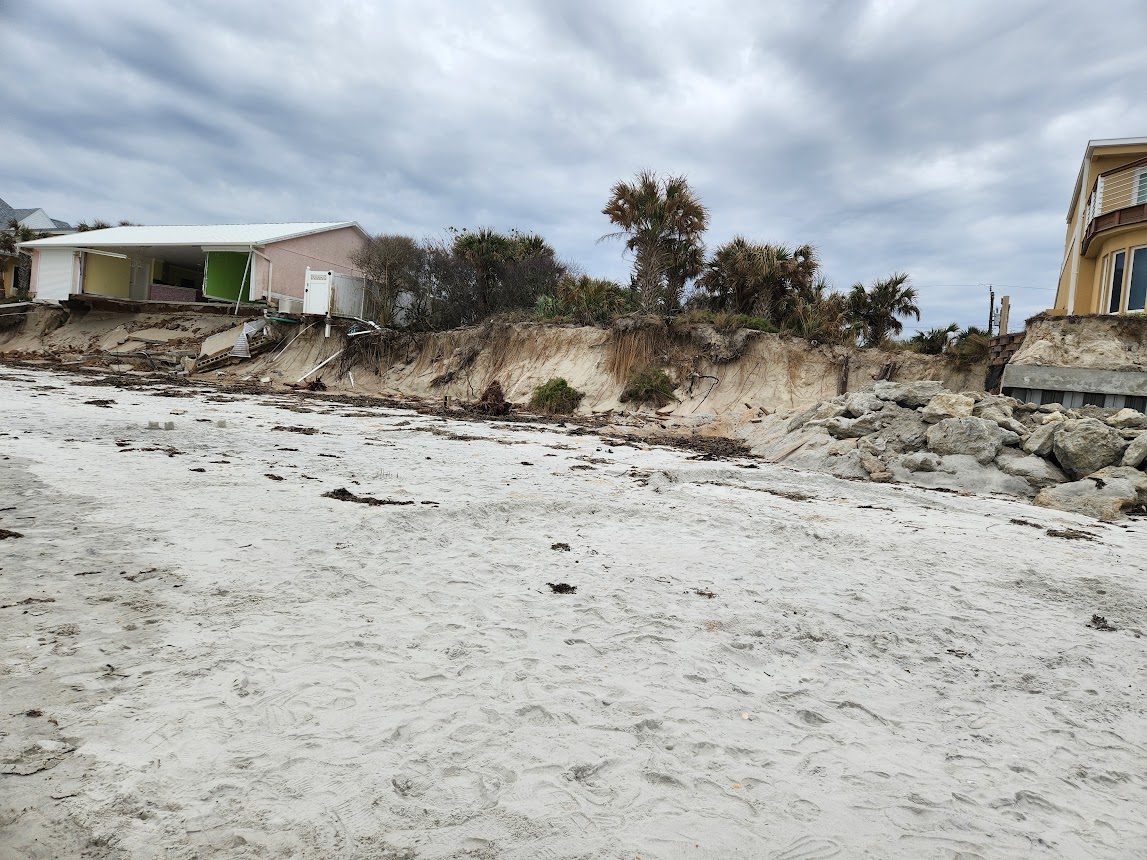
The lure of coastal living along Volusia County’s barrier island is unmistakable. From the tranquil, oak-canopied streets of Wilbur-by-the-Sea and the southern tip of Ponce Inlet to the vibrant beachside vibe of New Smyrna Beach, living near the water is a lifestyle dream for many. However, purchasing a home on a narrow strip of land bounded by the Atlantic Ocean and the Halifax River requires clear-eyed due diligence—specifically regarding FEMA flood designations.
Flood zones influence far more than just whether a lender requires flood coverage. They dictate construction standards, remodeling restrictions, and, most importantly, your ongoing annual cost of ownership. Before writing an offer on a coastal property in Port Orange, Ormond Beach, or Daytona Beach Shores, it is essential to understand how flood zones work, what an Elevation Certificate actually does, and how modern insurance pricing impacts your bottom line.
Decoding the Alphabet Soup: Zone X, Zone AE, and Zone VE
FEMA flood maps categorize land based on statistical risk. On the Volusia County coastline, you will primarily encounter three main flood designations:
- Zone X (Unshaded or Shaded): Zone X is designated as an area of minimal to moderate flood risk. Properties in unshaded Zone X lie outside the 500-year floodplain, while shaded Zone X represents a 500-year floodplain (a 0.2% annual chance of flooding). While federally backed lenders typically do not mandate flood insurance for Zone X properties, carrying a policy is still highly advised—especially on a barrier island where localized stormwater buildup during tropical systems can cause standing water.
- Zone AE: Zone AE represents the 100-year floodplain, meaning there is a 1% annual chance of flooding in any given year. This is the most common high-risk designation across Volusia County’s coastal interior. You will find Zone AE properties along the Intracoastal Waterway (Halifax River), near inland canals in New Smyrna Beach, and around low-lying coastal basins in Port Orange. In Zone AE, mandatory flood insurance applies if you carry a conventional or government-backed mortgage.
- Zone VE: Known as the Velocity Hazard Zone, Zone VE is the most critical coastal designation. It signifies areas subject to a 1% annual chance of flooding combined with high-velocity wave action from ocean storm surges. Zone VE primarily encompasses direct oceanfront parcels along the dune line in Ponce Inlet, Daytona Beach Shores, and Ormond-by-the-Sea. Structures in Zone VE must be built on elevated pilings or stilts, leaving the lowest structural level free of living space.
The Crucial Role of the Elevation Certificate
An Elevation Certificate (EC) is an official document produced by a licensed surveyor that details a structure's elevation relative to the Base Flood Elevation (BFE) established for that specific parcel.
Under FEMA’s updated pricing system, known as Risk Rating 2.0, flood insurance premiums are no longer calculated solely by broad flood zones. Instead, FEMA evaluates individual risk variables, including distance to the coast, ocean foundation type, ground elevation, and structural height relative to the flood line.
While FEMA no longer strictly mandates an Elevation Certificate to generate a policy quote, having an accurate EC is often the single most powerful tool a buyer has to lower insurance costs. If a home in a Zone AE or VE sits three feet above the designated Base Flood Elevation, an Elevation Certificate provides mathematical proof to insurance underwriters, frequently unlocking substantial premium discounts.
Conversely, if an older ground-level home sits below the BFE, the EC allows your insurance broker to accurately price private market alternatives versus the National Flood Insurance Program (NFIP).
How Flood Zones Impact Your Annual Insurance Quote
Because insurance quotes vary based on structure age, elevation, and coverage limits, insurance costs should always be viewed in realistic directional ranges rather than fixed rates:
- Zone X Properties: Annual flood insurance quotes often range from $600 to $1,200 per year for standard coverage. Because risk is rated low, these policies offer peace of mind at a manageable cost.
- Zone AE Properties: Annual premiums generally range between $1,800 and $4,500+. A modern home constructed after local building codes were elevated will sit on the lower end of this scale, while an un-elevated 1970s ranch home near a river canal will trend toward the higher end.
- Zone VE Properties: Due to direct wave action risk, premiums for direct beachfront structures can range from $4,000 to over $10,000+ annually if the home does not significantly clear the Base Flood Elevation. However, modern oceanfront homes elevated on concrete pilings far above the dune line often enjoy surprisingly competitive rates.
5 Actionable Takeaways for Coastal Buyers
To protect your capital and prevent post-closing surprises, follow these steps during your property search:
1. Request an Existing Elevation Certificate Early: Ask the listing agent for an existing EC during the initial showing phase. If one does not exist, build an inspection contingency into your purchase contract allowing time for a licensed surveyor to perform one. 2. Never Rely on the Seller’s Current Premium: Under Risk Rating 2.0, policy pricing resets upon transfer. A seller who has enjoyed a legacy grandfathered rate for twenty years may pay significantly less than what a new buyer will be quoted for a fresh policy. 3. Inspect Breakaway Walls in VE Zones: If purchasing a stilted oceanfront home in Ponce Inlet or Daytona Beach Shores, verify that lower-level enclosures feature compliant breakaway lattice or walls. Non-compliant lower-level living space can trigger severe insurance penalties. 4. Quote Both NFIP and Private Insurance Markets: While the NFIP is the traditional federal option, Florida’s private surplus lines flood market has expanded dramatically. Private insurers often offer higher building replacement limits and lower rates for well-elevated AE homes. 5. Verify Community Rating System (CRS) Discounts: Municipalities like Ponce Inlet participate in FEMA’s Community Rating System by enforcing strict floodplain management standards. Residents in participating Volusia communities can receive automatic percentage discounts on NFIP policy premiums.
Work with a Volusia Coastal Real Estate Expert
Navigating coastal flood maps, structural elevations, and insurance requirements requires local expertise. Before placing an offer on a beachside home or riverfront retreat, team up with an insider who understands the micro-markets of Ponce Inlet, Wilbur-by-the-Sea, Daytona Beach Shores, and New Smyrna Beach.
Whether you are looking to browse current Volusia coastal listings or want to request a free market strategy session and home valuation, contact Chris Sanford today to guide your next coastal move with confidence.
Want this on your street?
See active Ponce Inlet listings or get a real human valuation of your home.