Buying
Volusia Coastal Home Inspection Checklist: Ponce Inlet to NSB
5 min read · Chris Sanford
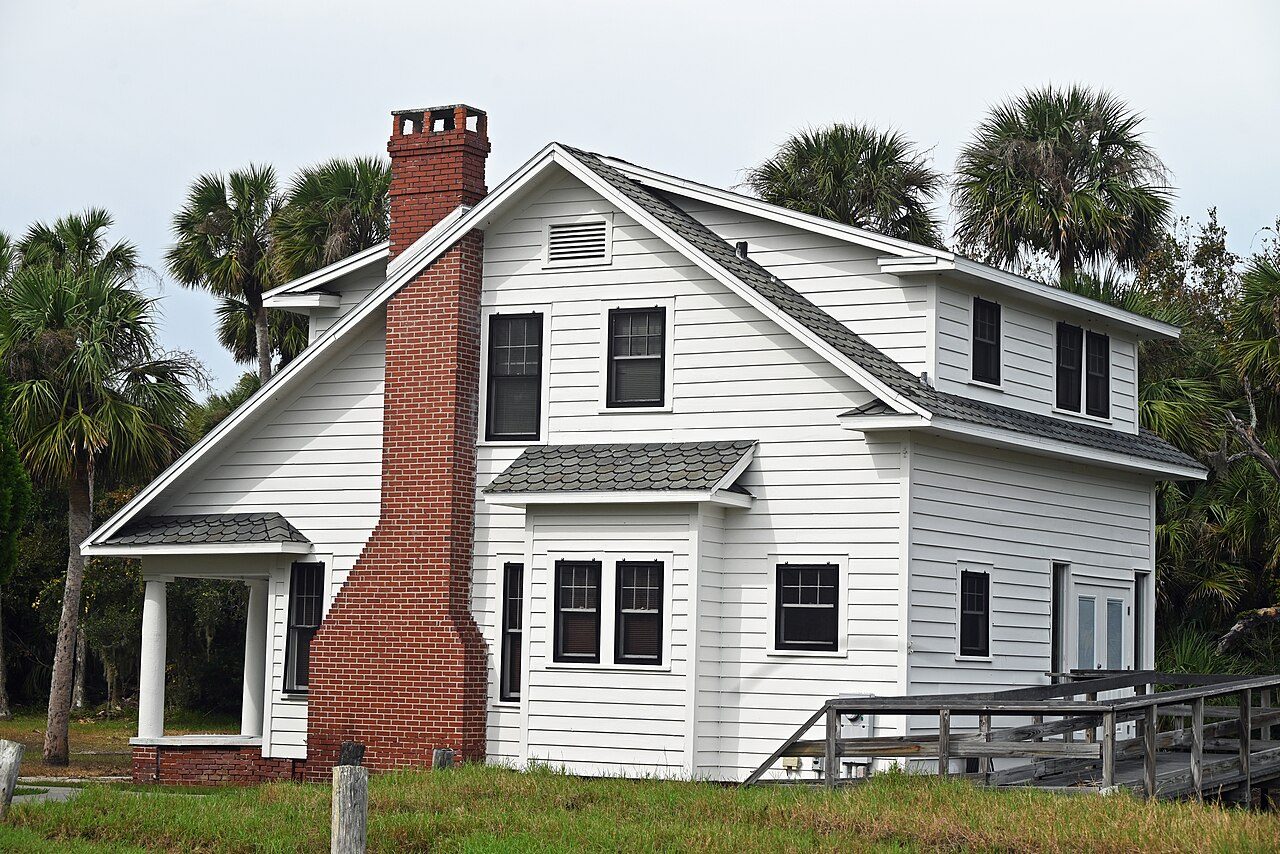
The lure of ocean breezes in Ponce Inlet, quiet mornings in Wilbur-by-the-Sea, and vibrant waterfront living in New Smyrna Beach draw buyers from all over the country. However, purchasing a home on or near the Volusia County barrier island comes with environmental factors that standard inland home inspections often overlook. Salt air, intense UV exposure, high humidity, and storm surges create unique physical demands on structures.
A general home inspector will check the basics, but coastal buyers need a specialized eye. Before you finalize an offer on a beach home or Intracoastal property in Daytona Beach Shores, Port Orange, or Ormond Beach, use this coastal home inspection checklist to protect your investment and negotiate with confidence.
1. Salt Air Corrosion: HVAC Systems and Electrical Components
Salt spray is one of the most aggressive environmental elements on the barrier island. Airborne ocean salt travels several miles inland, but within the first half-mile of the Atlantic, it actively accelerates oxidation on bare and painted metal surfaces.
- HVAC Condenser Units: Ocean air eats through aluminum coils and copper tubing quickly. In coastal Volusia County, an unmaintained exterior A/C unit can show severe coil decay in as little as 3 to 5 years. Look for sacrificial anodes, specialized anti-corrosion coatings (like Blygold or Heresite), or marine-grade units.
- Electrical Panels and Wiring: Outboard electrical meter cans, service entry disconnects, and exterior subpanels frequently suffer from salt air intrusion. Ensure your inspector opens exterior disconnect boxes to check for heavy corrosion on copper bus bars and neutral lugs.
- Exterior Hardware and Light Fixtures: Stainless steel (specifically 316 marine-grade) or composite fixtures are essential. Rust streaks below exterior wall sconces often indicate sub-standard fasteners that can bleed rust into stucco.
2. Roof Age, Wind Mitigation, and Insurance Requirements
Insurance in coastal Florida is closely tied to your roof's condition, age, and hurricane resistance. In Volusia County, securing an affordable homeowners policy requires clear documentation through a 4-Point Inspection and a Wind Mitigation Study.
- Roof Attachment & Deck Fastening: Inspectors check whether your roof deck is attached with 8d nails spaced at 6 inches, which significantly lowers insurance premiums compared to stapled or widely spaced configurations.
- Secondary Water Barrier (SWR): A self-adhering polymer modified bitumen underlayment (peel-and-stick) applied over the roof decking acts as a secondary shield if shingles or tiles blow off.
- Roof Covering Condition: Shingles on barrier islands experience extreme heat and high winds. Look closely for missing granules, lifted edges, or brittle asphalt. For concrete tile roofs common in Ponce Inlet and Daytona Beach Shores, check for cracked tiles, degraded mortar caps, and worn valley metal.
3. Seawalls, Docks, and Coastal Bulkheads
If you are purchasing a waterfront home along the Halifax River, Rose Bay, or the canals of New Smyrna Beach, the seawall is as critical as the home's foundation. Rebuilding a concrete seawall can easily cost tens of thousands of dollars depending on linear footage and site access.
- Concrete Cap and Panel Condition: Look for horizontal cracking along the top cap, which often signals rusting rebar expanding inside the concrete (spalling).
- Tie-Back Anchors: Seawalls rely on steel tie-back rods anchored into the yard. Depressions or soil sinkholes behind the wall often indicate failing tie-backs or soil loss through compromised panel joints.
- Weep Holes and Filter Fabric: Seawalls must allow groundwater to escape when tides drop. Clogged or missing weep holes create immense hydrostatic pressure behind the wall, causing eventual collapse.
- Specialized Marine Inspections: Standard home inspectors generally exclude seawalls and docks from their scope. Always hire a dedicated marine contractor to perform a dive or low-tide inspection of the submerged structure.
4. Stucco Systems and Water Intrusion Safeguards
Stucco is a popular exterior finish across Port Orange, Ormond Beach, and Ponce Inlet, but improper flashing or sealing can lead to trapped moisture, wood rot, and structural decay.
- Cracks and Efflorescence: Hairline thermal cracks are normal, but any crack wider than a credit card warrants attention. White, powdery deposits (efflorescence) indicate water is actively migrating through the stucco shell.
- Window and Door Flashing: The interface between stucco and exterior window frames is a primary entry point for wind-driven rain. Ensure proper sealant joints (caulk) are maintained and drip edges are present.
- Clearance at Grade: Stucco should never contact the soil or lawn directly. Florida building codes require a clearance (typically 2 to 4 inches) to prevent moisture wicking and terminate weeping tracks correctly.
5. Plumbing, Elevation Certificates, and Flood Preparedness
Coastal elevation determines both your flood insurance rates and your peace of mind during seasonal high tides (King Tides) and tropical storms.
- Elevation Certificate: Verify whether the home sits above the base flood elevation (BFE) set by FEMA. Homes built on elevated pilings or stem walls in flood zone AE require a valid elevation certificate to calculate accurate flood insurance costs.
- Under-Slab and Crawlspace Plumbing: Older homes in Daytona Beach Shores and Wilbur-by-the-Sea may still have original cast iron drain pipes. Salt groundwater and soil conditions accelerate cast iron bottom-rotting. Request a sewer scope camera inspection on any home built before 1990.
Actionable Takeaways for Volusia Coastal Buyers
1. Hire local specialists: Always supplement a general home inspection with specialized inspections for marine structures, sewer lines, and wind mitigation. 2. Check the A/C manufacture date and coating: Factor early replacement costs into your offer if exterior HVAC equipment lacks marine-grade coatings or is over 7 years old. 3. Review the wind mitigation report early: Ask your home inspector to provide the wind mitigation form immediately so your insurance agent can pull accurate binder quotes before the inspection period ends. 4. Budget for ongoing exterior maintenance: Living on the barrier island requires annual pressure washing, fresh elastomeric paint every 5 to 7 years, and regular lubrication of outdoor hardware.
Ready to explore coastal real estate in Ponce Inlet, New Smyrna Beach, or the surrounding Volusia beaches? Working with a hyper-local expert ensures you avoid costly surprises on coastal condition issues. Contact Chris Sanford today to browse current Volusia coastal listings or request a free home valuation for your property.
Want this on your street?
See active Ponce Inlet listings or get a real human valuation of your home.